Chart Safer Courses with Smarter Boat Navigation Gear
Getting turned around on the water happens faster than many people expect. A bank of fog slides in, the shoreline fades, and suddenly the GPS screen feels like the only thing standing between you and a very long night. Even experienced captains can lose their bearings when visibility drops, weather shifts, or electronics fail at the wrong moment.
That is where smart, well chosen boat navigation equipment comes in. Chartplotters, GPS receivers, radar, AIS, compasses, VHF radios, and depth sounders work together as a safety net so you can keep your crew and boat out of trouble. At MarineXGear, we focus on high-performance marine electronics and equipment that help recreational boaters, anglers, and sailors across the U.S. plan better routes, stay oriented, and handle surprises with more confidence.
Core Navigation Tools Every Boater Should Know
The modern helm usually starts with a GPS chartplotter or multifunction display. Think of it as the nerve center where multiple sources of information come together on one screen, including:
- Digital charts that show coastlines, channels, buoys, and hazards
- GPS position so you always know where you are on that chart
- Waypoints and routes to mark fishing spots, anchorages, and safe passages
- Depth data when paired with a compatible transducer or sounder
Having all of this in one place reduces guesswork and helps you make smarter decisions when you are threading through a narrow channel or running home in fading light.
Even with great electronics, traditional tools still matter. A reliable marine compass does not depend on batteries or satellites. A basic depth sounder, or a simple backup unit, gives you constant information about water beneath your keel which is especially helpful near shoals or unfamiliar inlets. These are low-failure tools that keep working when fancier gadgets go dark.
To get the best safety margin, we recommend pairing traditional navigation with electronic tools:
- Keep up-to-date paper charts for your usual waters
- Practice taking compass bearings and dead reckoning
- Use the chartplotter for real-time situational awareness, but regularly cross-check with paper and compass
This layered approach gives you redundancy if you lose power, a fuse blows, or your main display fails at the worst possible time.
Seeing Beyond the Bow with Radar and AIS
When visibility drops, radar becomes your extra set of eyes. A marine radar system sends out radio waves and listens for echoes from objects around you. On the screen, you can see:
- Shorelines and large structures
- Buoys and channel markers
- Other boats and ships, even in thick fog or at night
This helps you track targets, judge closing distances, and avoid surprises hiding in the dark or rain.
AIS, or Automatic Identification System, adds another layer of awareness. AIS equipment can receive and, if you have a transceiver, broadcast information such as:
- Vessel name and identity
- Position, speed, and heading
- Course over ground and sometimes vessel type
On a compatible chartplotter, AIS targets appear directly on your chart, so you can see who is around you and how they are moving. This is especially useful near busy inlets, shipping lanes, or crowded fishing grounds.
So when should a recreational boater think about adding radar or AIS?
- Regular night runs or early-morning departures
- Frequent fog, rain, or low-visibility conditions in your area
- Offshore fishing or longer coastal trips where help is farther away
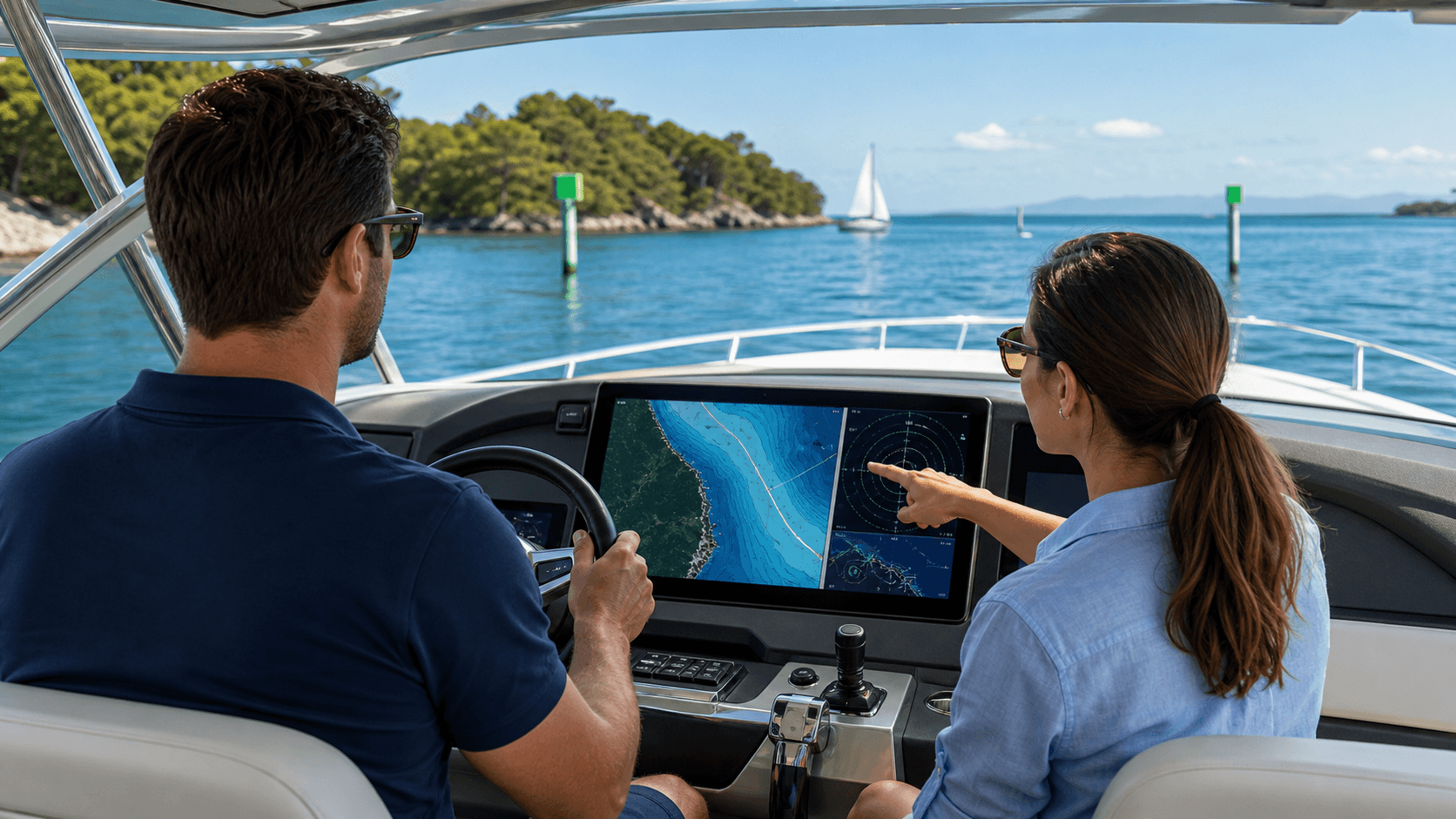
When radar and AIS are integrated with your chartplotter, you can overlay their data directly on your charts. That single display, showing land, depth, radar returns, and AIS targets, makes it easier to spot risks before they become emergencies.
Staying Connected with the Right Communication Gear
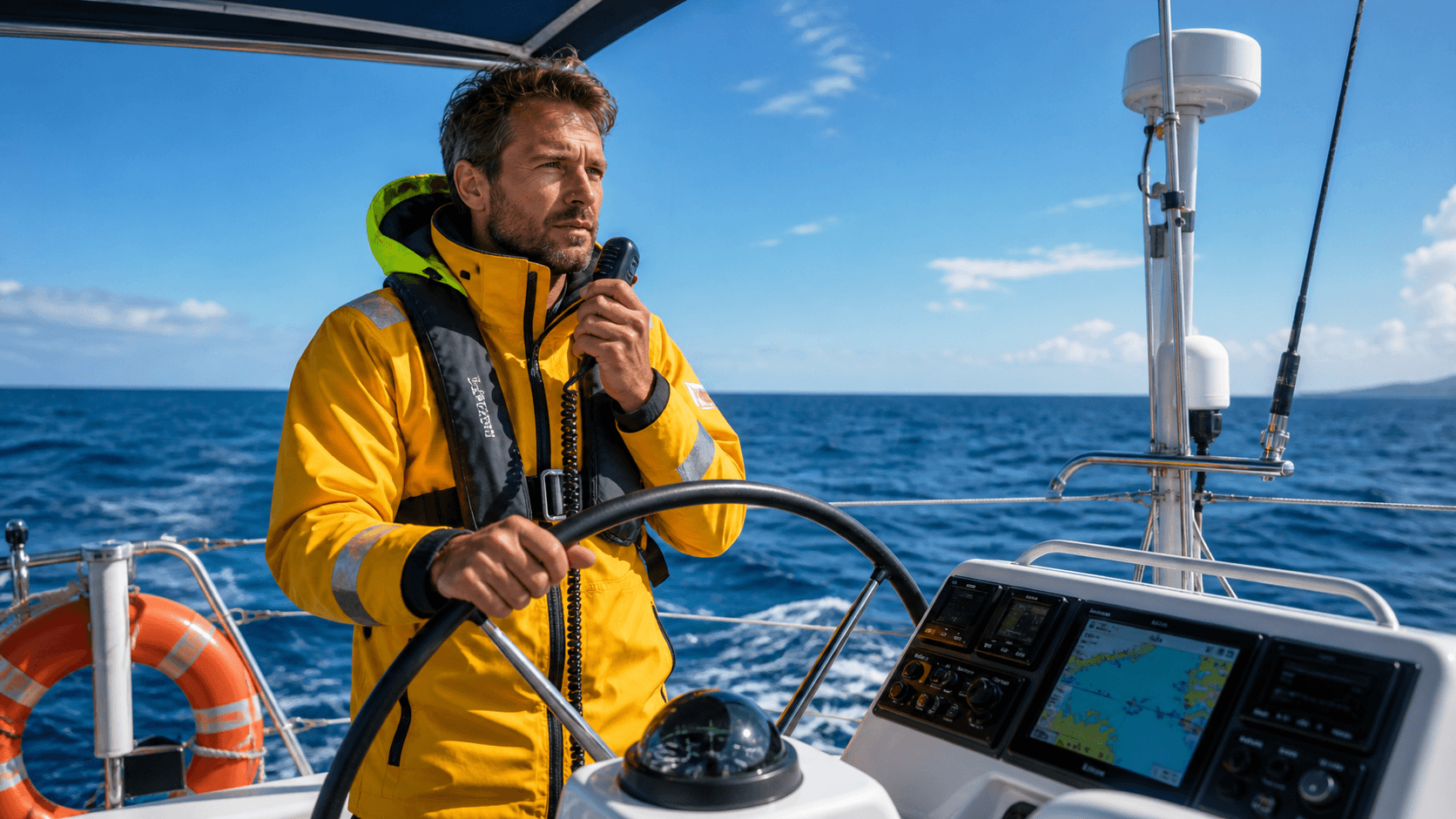
A reliable VHF radio is as essential as a life jacket. Fixed-mount and handheld VHF units are your primary lifeline for:
- Routine communication with marinas and bridges
- Weather updates and alerts from official sources
- Distress and safety calls to the Coast Guard or nearby vessels
Digital Selective Calling (DSC) on many marine VHFs adds another layer of safety. With DSC, you can:
- Press a dedicated distress button that sends your vessel identity
- Automatically transmit your GPS position when connected to your navigation system
- Make direct, targeted calls to specific vessels equipped with DSC
Linking your GPS or chartplotter to your VHF radio ensures that if you ever need to press that distress button, rescuers receive an accurate location.
Just as important as the hardware is knowing how to use it. Every regular crew member should know:
- How to turn on and select channels on the VHF
- How to make a standard call for assistance
- Where the distress button is and when to use it
Practicing basic radio procedures in calm conditions makes it much easier to stay calm and clear if things go wrong later.
Smart Add-Ons and System Integration
Once your core gear is in place, smart add-ons can sharpen your navigation picture and make your helm easier to manage. Common upgrades include:
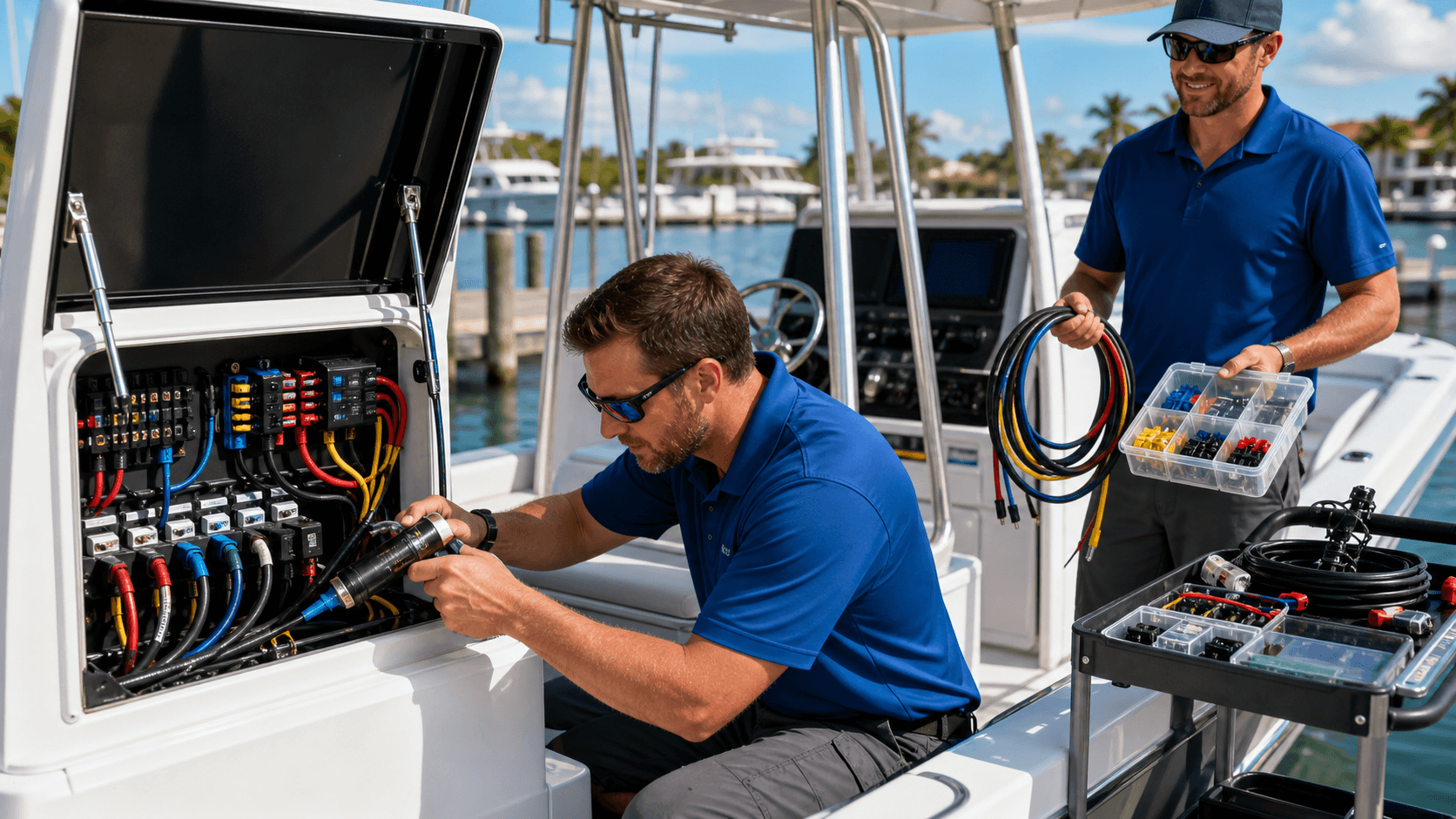
- NMEA networking components that let devices share data
- High-quality antennas for better GPS and VHF performance
- Transducers that provide more detailed depth and bottom information
When these pieces are wired together correctly, one display can show a lot of information in a clean, readable way. For example, your chartplotter might overlay:
- GPS position and heading
- Depth contours and live depth readings
- Radar returns from nearby objects
- AIS targets with vessel names and courses
Instead of jumping between multiple small screens, you get one unified view that is easier to read when conditions get tense.
It is also worth thinking about protecting your investment. Helpful backup and protection add-ons include:
- Extra power supplies or backup batteries for key devices
- Solid mounting systems so displays and antennas stay secure underway
- Waterproof or splash-resistant cases for handheld units
These details can make the difference between equipment that works when you need it and gear that fails due to corrosion, vibration, or water intrusion.
Choosing and Caring for Gear That Fits Your Waters
The best boat navigation equipment is the setup that fits how and where you boat. A small inshore fishing skiff does not need the same gear as a coastal cruiser. As you plan, think about:
- Typical trip length and distance from shore
- Local hazards like shifting sandbars, rocky points, or heavy traffic
- How often you run in low light or shoulder seasons
For example, an inshore angler might prioritize a solid GPS chartplotter, quality transducer, and VHF with DSC. Someone cruising longer distances may value a larger multifunction display, radar, AIS, and more extensive power backups.
Whatever you run, reliability depends on care and checks over time:
- Keep software and charts updated for your electronics
- Inspect wiring, fuses, and connectors for corrosion or loose fittings
- Test VHF transmission and GPS reception periodically
We also recommend creating a simple onboard navigation checklist. Include items like powering on and testing each device, verifying GPS position, checking depth sounder operation, confirming VHF channel and DSC readiness, and reviewing paper charts. Practicing with your gear on calm, clear days turns operation into muscle memory, which pays off when the weather turns or you need to react quickly.
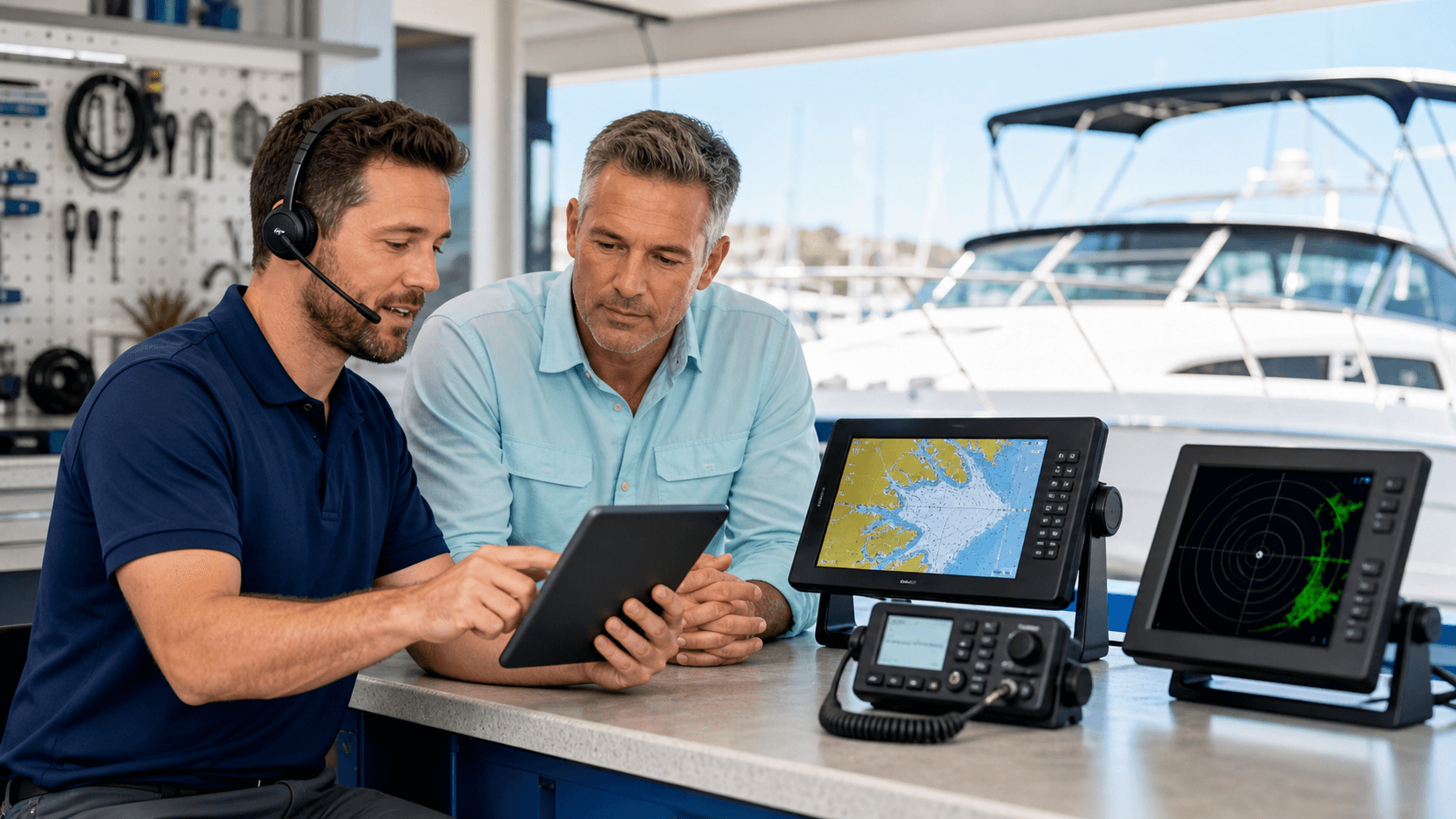
With the right mix of core navigation tools, visibility systems, communication gear, and thoughtful add-ons, every trip can feel more controlled and less stressful. At MarineXGear, we are focused on helping boaters match equipment to their boats, local waters, and comfort level so each outing feels safer, smoother, and more enjoyable.
Upgrade Your On-Water Confidence With Reliable Gear
Explore our curated selection of boat navigation equipment designed to help you stay safe, informed, and in control every time you leave the dock. At MarineXGear, we choose products that balance durability, accuracy, and ease of use so you can focus on enjoying the water. If you have questions or want guidance on the right setup for your vessel, contact us and we will help you choose with confidence.