Confident Solo Offshore Voyages Start with Connection
Solo offshore trips feel different as summer fades. The sun drops sooner, the water cools down, and the number of boats on the horizon shrinks. A quiet September run can be beautiful, but it also means help is farther away if something goes wrong.
That is why we treat communication gear like part of the hull, not an extra gadget. When you are the only one on board, good marine communication equipment turns "out there alone" into "out there, but still connected." In this article, we will walk through the gear, layers, and habits that help solo skippers head offshore with calm, steady confidence, even late in the season.
Why Communication Is Your Lifeline Offshore
When you run solo, every task is on your shoulders. There is no one to take the wheel while you check a chart, no spare set of hands to watch the weather, and no backup if you get tired or hurt. On a nice flat morning, this feels fine. When the wind kicks up or fog rolls in, it can feel very different.
Marine communication equipment is what closes that gap. With the right setup, you may be physically alone, but you stay connected to:
- The Coast Guard and rescue crews
- Commercial and recreational traffic around you
- Friends or family on shore who know your plan
- Weather and navigation updates that guide smart choices
Fall adds its own twist. There are fewer pleasure boats on the water, and commercial boats may be running strong. That can mean more big hulls moving fast in low light or heavy weather. Early sunsets give you longer hours in the dark, and quick-moving fronts can turn a calm morning into a sloppy afternoon. Clear communication lets you call for help, make passing arrangements, and adjust your route as conditions shift, without guessing or hoping.
Core Marine Communication Equipment Every Solo Skipper Needs
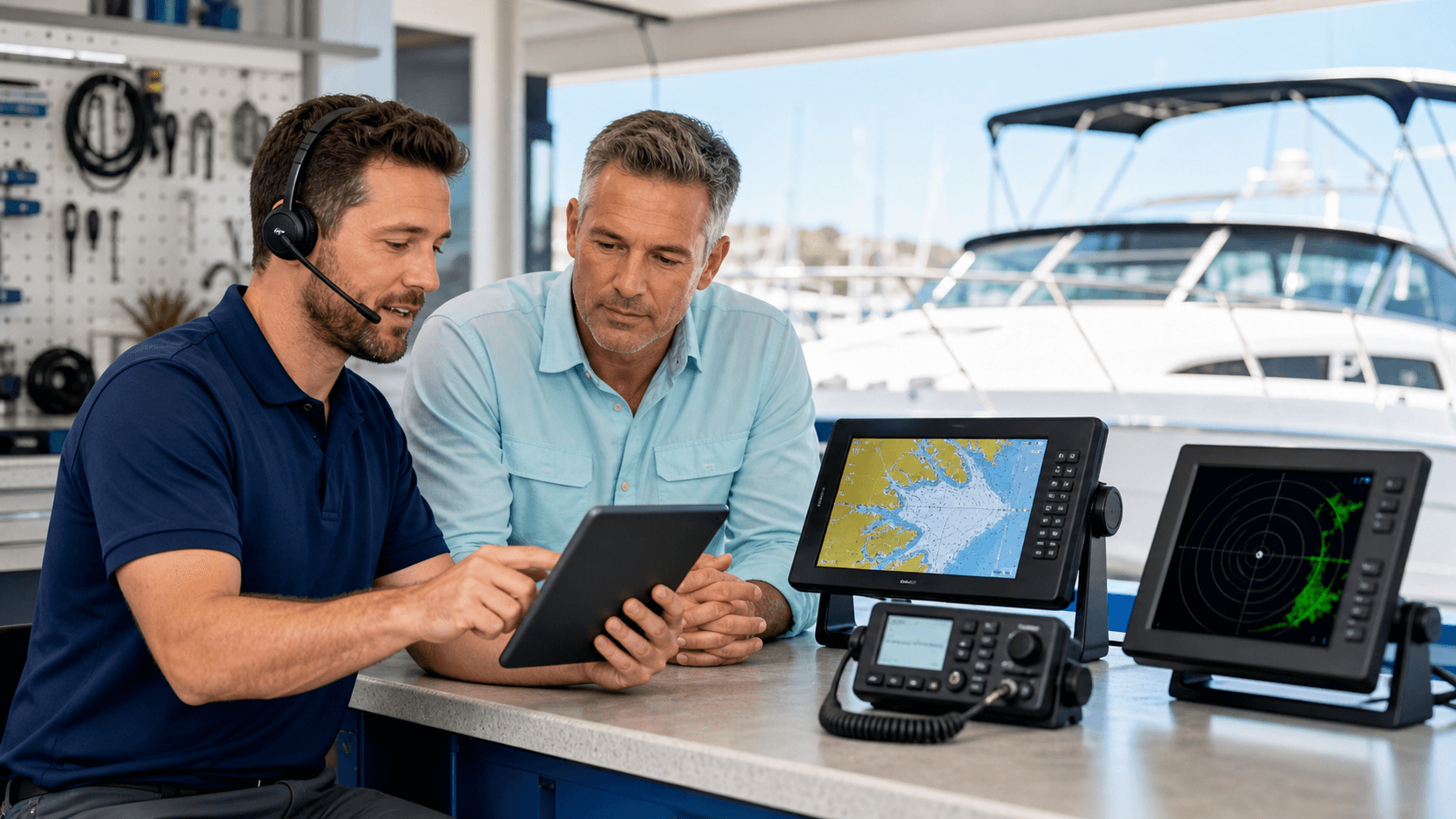
A smart solo setup is not about one magic device. It is about a small group of tools that back each other up. Each piece of marine communication equipment plays a clear role.
Here are the core items we recommend for solo offshore trips:
- Fixed-mount VHF radio with DSC
- Handheld VHF radio
- AIS transceiver or at least an AIS receiver
- EPIRB or PLB
A fixed-mount VHF with Digital Selective Calling, or DSC, is usually your primary tool. Connected to your GPS, it can send a one-touch distress-alert with your position. It also gives you strong transmit power and a proper antenna height for better range.
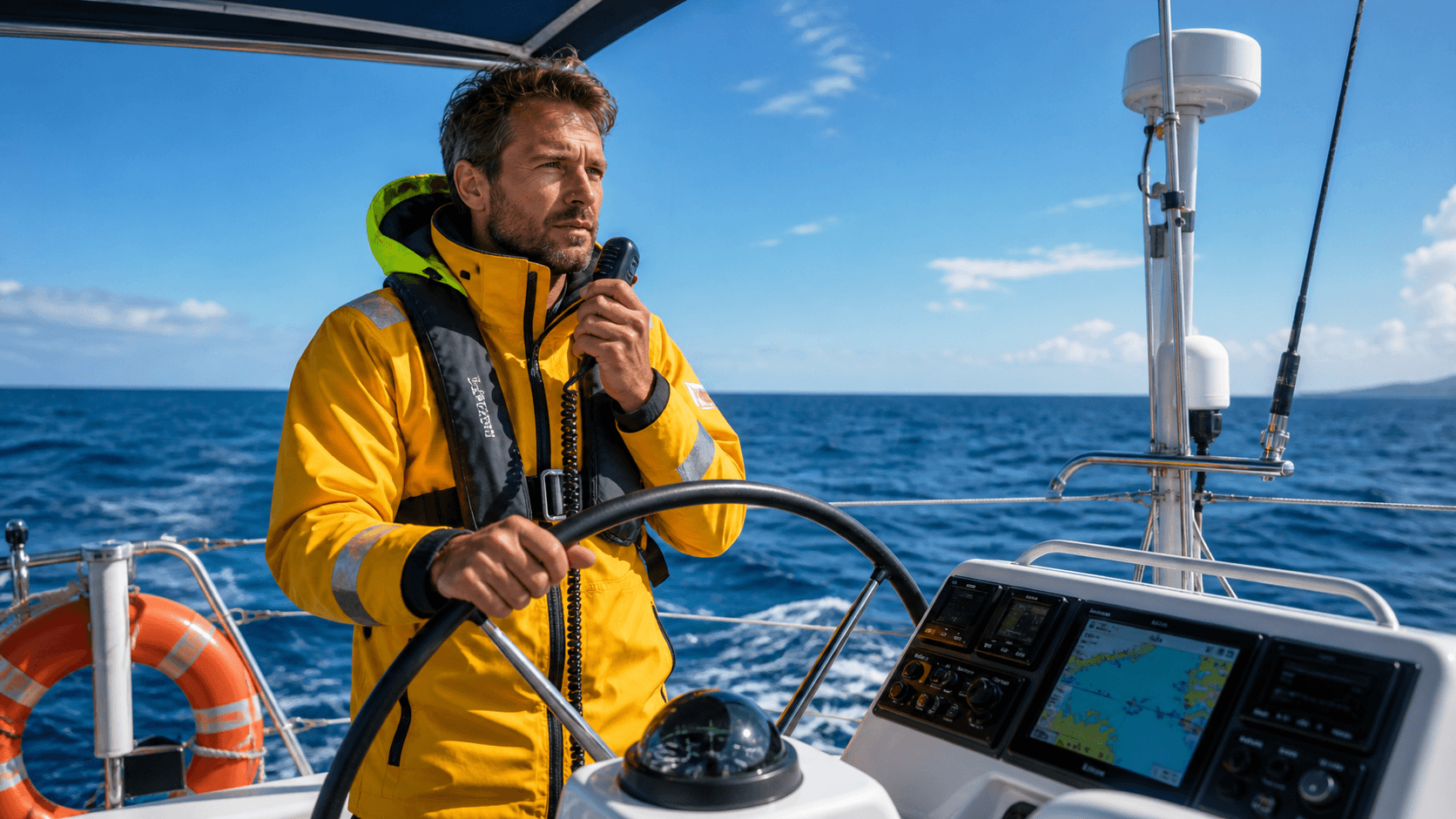
A handheld VHF is your backup and your "on your person" radio. If you lose power, if the main radio fails, or if you end up away from the helm, a charged, waterproof handheld can still get your voice out.
AIS (Automatic Identification System) lets other AIS-equipped boats see you and lets you see them. A transceiver sends and receives, so nearby traffic can track your course and speed, and you can track theirs. Even a receiver-only is a big help for solo skippers, especially in low visibility or busy shipping lanes.
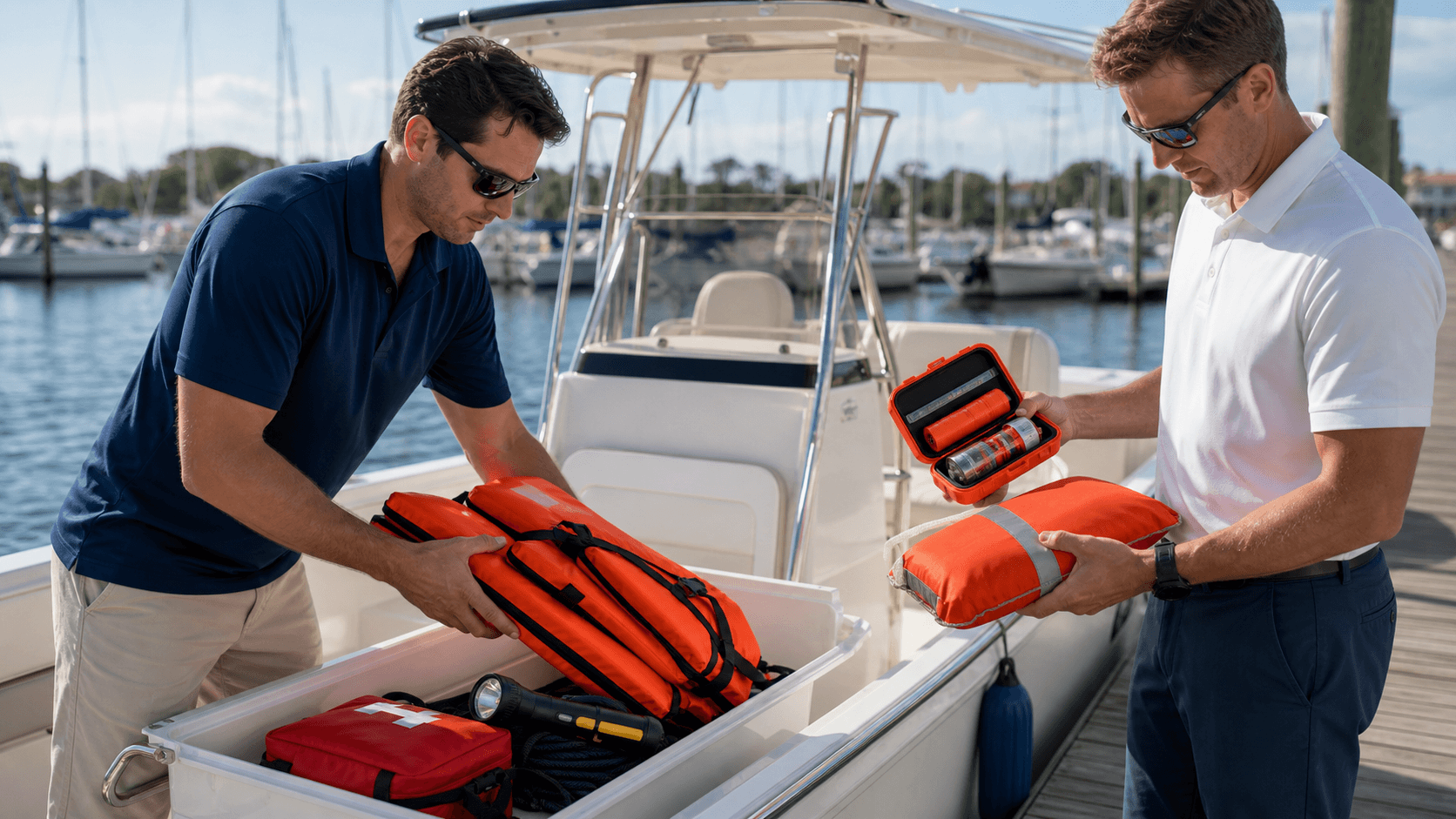
An EPIRB or PLB is your last line of help. These satellite-based beacons send a distress signal to search and rescue when activated. They do not replace a radio, but they give you a way to call for help even if every other system fails.
Layered together, this gear covers voice, digital alerts, and long-range emergency calls. If one piece goes down, the others step in.
Building Redundant and Fail-Safe Communication Layers
Redundancy sounds fancy, but it is really just a simple question: if this fails, what do I use next? For solo offshore boating, we like to think in three ranges.
- Short range: VHF radios for voice with nearby boats and rescue
- Mid range: AIS and, close to shore, cellular talk and text
- Long range: Satellite messengers and emergency beacons like EPIRBs and PLBs
You can build a practical plan without turning your cabin into a control room. Focus on a few key steps:
- Separate power sources where possible, like primary radio on the main bank and handhelds on their own batteries
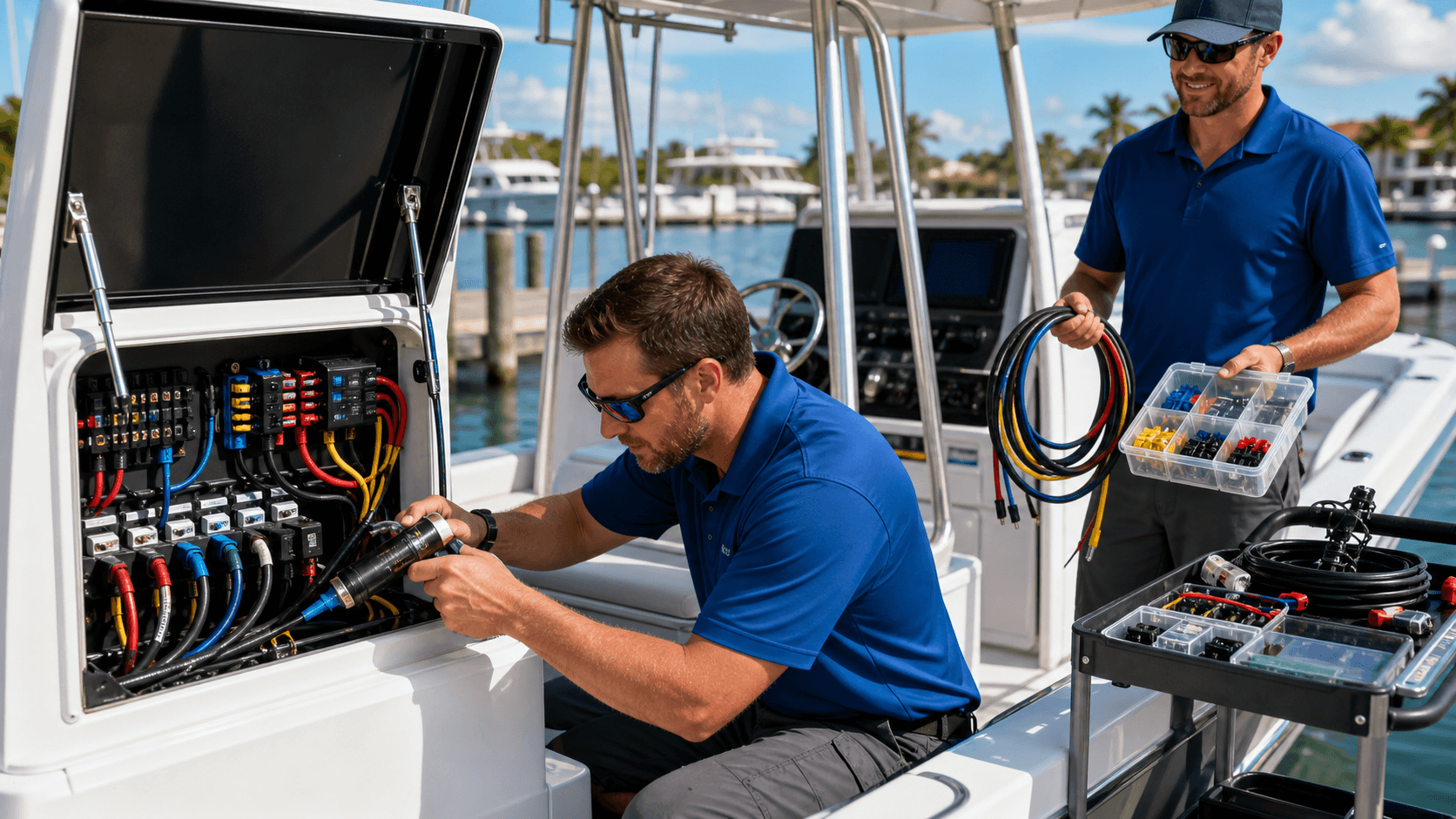
- A backup antenna or at least clean, protected antenna connections
- Dry, easy-to-reach storage for handhelds and beacons
- Pre-programmed MMSI numbers and emergency contacts in your devices
For solo trips, access matters as much as the gear itself. Keep a clipped handheld VHF on your life jacket, not buried in a bag. A wireless mic at the helm lets you call out without leaving your seat. Think through simple "what if" moments: if you twist an ankle, if you get slammed and lose balance, if you are stuck seated, can you still reach your key communication controls?
Smart Communication Habits for Solo Offshore Navigators
Good equipment does not help much if it is off, dead, or mis-programmed. Strong habits are what turn your setup into a lifeline.
Before you leave the dock, build a short routine:
- Share a float plan with someone you trust, including route and return time
- Power up and test every piece of marine communication equipment
- Confirm your MMSI is entered and DSC distress works as expected
- Make sure software or firmware on radios and AIS units is current
Underway, treat communication as part of your seamanship, not something you only think about in an emergency.
- Do scheduled check-ins with shore contacts by VHF, satellite, or text when possible
- Keep an eye on AIS targets, CPA (closest point of approach), and bearing
- Use proper channel discipline, staying on the correct calling and working channels
- Listen to weather broadcasts and be ready to shift course or turn back early
As the season starts to wind down in mid-September, it is also smart to think about end-of-season care. Shorter, cooler days can hide issues in wiring and connectors.
Take time to:
- Inspect antenna cabling and connectors for corrosion or cracks
- Recharge handheld radios and replace batteries that do not hold charge
- Test your EPIRB or PLB with the built-in self-test feature, following instructions
- Note any glitches, weak audio, or range issues so you can fix them before storage
Treat these notes like a log for your future self. Your next season will start smoother when you already know what needs attention.
Equip Your Next Solo Offshore Journey with Confidence
Solo trips offshore in the fall can feel calm, clean, and sharp. The water is cooler, the crowds are gone, and the sky can look endless. That quiet is a big part of the draw, but it also means you cannot lean on random nearby boats for backup. Your communication plan is what fills that gap.
Take a hard look at your current setup. Do you have a DSC-equipped fixed VHF? A working handheld that stays on your life jacket? Some form of AIS so you can see and be seen? An EPIRB or PLB that is registered and tested? If there are weak spots, tackle the safety layers first, then add comfort and performance pieces as you go.
At MarineXGear, we focus on helping boaters match real-world use with dependable marine communication equipment, from basic radios to more advanced offshore setups. When you gear up with a clear plan, your next solo offshore run does not have to feel like a risk. It can feel like what you wanted in the first place: quiet, honest time on the water, with the confidence of knowing you are never completely out of reach.
Upgrade Your On-Water Communication Confidence Today
Reliable communication starts with the right gear, and at MarineXGear we make it simple to find what you need. Explore our curated selection of marine communication equipment designed for clarity, range, and durability in real-world conditions. If you are unsure which setup is best for your vessel or crew, contact us and we will help you choose the right solution.