Smart Ways Marine Electrical Supplies Prevent On-Water Failures
Strong marine electrical supplies keep fun days on the water from turning into long rides home on a tow line. When your battery, bilge pump, or GPS quits without warning, it is more than annoying. It can put people and gear at risk. Late summer trips can be hard on boat systems, with long runs, heavy electronics use, and choppy water. With the right parts, chosen for boat use and cared for the right way, many of those "mystery" problems never have to happen.
In this article, we will walk through simple, smart ways to build and protect your electrical system so you can trust it as the seasons change. We will look at why marine gear is different, how to think through your power system, and what to check before fall fishing, cruising, or watersports days.
Why Marine-Grade Electrical Gear Matters
A lot of electrical problems start with the wrong type of parts. Car or household electrical pieces might seem close enough, but boats live in a harsher world. Water, salt in coastal areas, UV from the sun, and constant vibration do things to wiring and connections that a garage or driveway never does.
True marine electrical supplies are built for this punishment. Good marine gear usually means:
- Tinned copper wire that fights corrosion inside the strands
- Sealed connectors that keep moisture and salt spray out
- UV-stable insulation that does not crack after long days in direct sun
- Hardware and housings that resist rust and pitting
When these pieces are missing, weak spots show up fast. Corroded terminals can make navigation lights cut in and out at dusk. A cheap float switch or pump connection can give up after a bumpy ride, just when you need your bilge pump to clear water. A radio or GPS that loses power in crowded late-summer traffic is more than just annoying, it cuts into your safety margins.
This is why choosing real marine-grade parts, matched to your boat and environment, matters so much. They are designed to stand up to both freshwater lakes and salty bays, not just a quick spray from a garden hose.
Building a Reliable Power System From the Battery up
Every reliable onboard system starts with the battery bank and how it is managed. By late summer, batteries have seen lots of charge and discharge cycles, trolling runs, and anchor hangs with the stereo running. Weak batteries and mismatched charging gear are some of the most common reasons for a no-start day.
A smart power setup usually includes:
- The right type of marine batteries for how you boat
- Charging gear that protects batteries from over-discharge
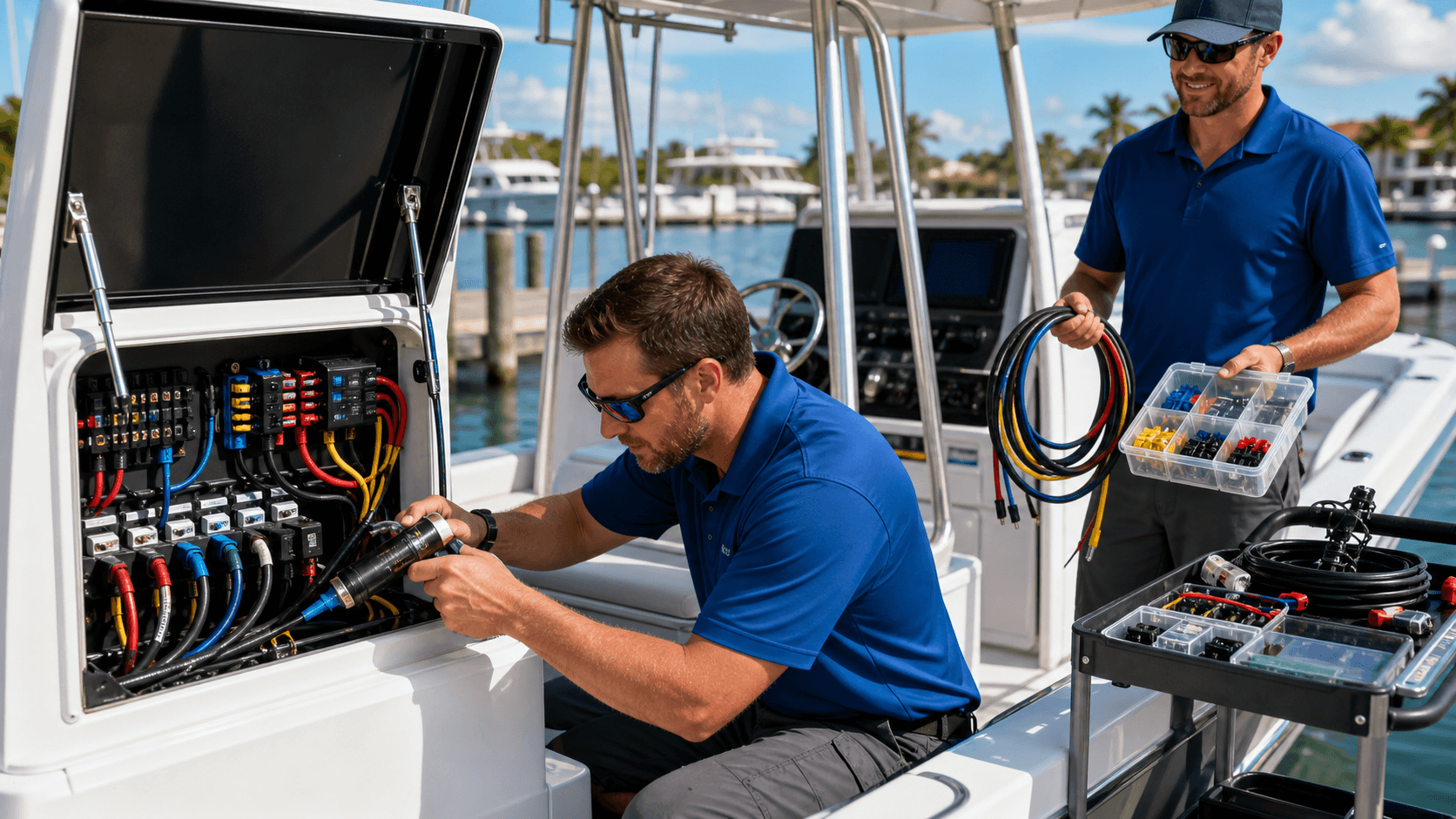
- Clean power distribution through bus bars and fuse blocks
- A main disconnect switch for safety and storage
Starting batteries are built to deliver a strong burst to crank your engine, but they do not like long, deep drains. Deep-cycle batteries are better for trolling motors, house loads, and long electronics use. Dual-purpose options can cover both jobs on smaller setups but still need to be sized correctly.
Smart chargers and isolators help keep things balanced. They bring batteries up to full charge without overcooking them, and keep starting batteries from getting dragged flat by lights, pumps, and electronics. Quality bus bars, fuse blocks, and breakers keep power organized, reduce messy wire piles, and make it easier to track down issues when something goes wrong.
When your batteries, charging gear, and distribution hardware are built to work together, your electronics, pumps, and engines all benefit. Voltage stays steady, and the risk of surprise failures drops.
Wiring, Connectors, and Protection That Stand up to the Water
Even the best batteries cannot rescue bad wiring. Undersized wire, bare copper, and weak crimp connections can cause heat, voltage drop, and strange, hard-to-trace problems. On a boat, those problems usually show up right when waves kick up or weather shifts.
Good marine wiring practices include:
- Using tinned copper wire sized correctly for each circuit
- Protecting runs with flexible, marine-grade insulation
- Securing wires so they do not chafe on sharp edges
- Ending wires with sealed, heat-shrink connectors
Heat-shrink terminals and waterproof junctions keep moisture from creeping into the copper strands, where corrosion can slowly grow under the insulation. That "green crust" you sometimes see on old boat wires is a sign that trouble has been building for a while. Sealed connectors help stop that hidden damage.
Proper fusing and circuit breakers, sized to each device and wire gauge, are just as important. They reduce fire risk and protect expensive electronics from short circuits and surges. When each circuit is clearly labeled and protected, it is much easier for a technician to diagnose and repair issues without guesswork.
For older boats, a planned rewire or partial upgrade before fall can bring a big jump in reliability. Fresh wire, new fuse blocks, and better connectors can clear years of patch fixes and mystery problems.
Smarter Electronics and Monitoring for Early Warnings
Modern electrical monitoring gear can warn you long before something fails. A simple battery monitor, or even a good voltage meter, can show when a battery is getting weak or a connection is loose. When you see strange drops in voltage as soon as you turn on certain devices, you know to get things checked before your next long run.
Upgraded navigation electronics and communication gear also depend on clean power. Chartplotters, fish finders, VHF radios, AIS units, and stereos can all reset or shut down if they see sudden dips or noise on the power line. That is often caused by:
- Shared circuits that are overloaded
- Poor grounding or corroded negative connections
- Lack of surge protection on sensitive electronics
Filters, regulators, and proper grounding help keep power smooth. That way, when trim tabs move, pumps kick on, or the engine starts, your screens stay lit and your radio stays clear. Pairing solid electronics with quality marine electrical supplies during installation helps them work the way they were designed to, even on busy holiday weekends.
Seasonal Checklists to Keep You Running All Fall
Late summer is a great time to give your electrical system a quick health check before cooler days and earlier sunsets arrive. A simple checklist can catch small issues before they become big problems.
Key items to look at include:
- Battery health and fluid level where applicable
- Clean, tight battery terminals with no white or green buildup
- Wiring runs checked for chafe, kinks, or loose clamps
- Bilge pumps, float switches, and livewell pumps tested under real load
- Navigation lights, anchor lights, and horns checked at dusk
Shorter days and colder water make reliable gear even more important. Replacing weak or corroded parts now, while the weather is still pleasant, is much better than trying to fix things at the dock after a long, wet ride in.
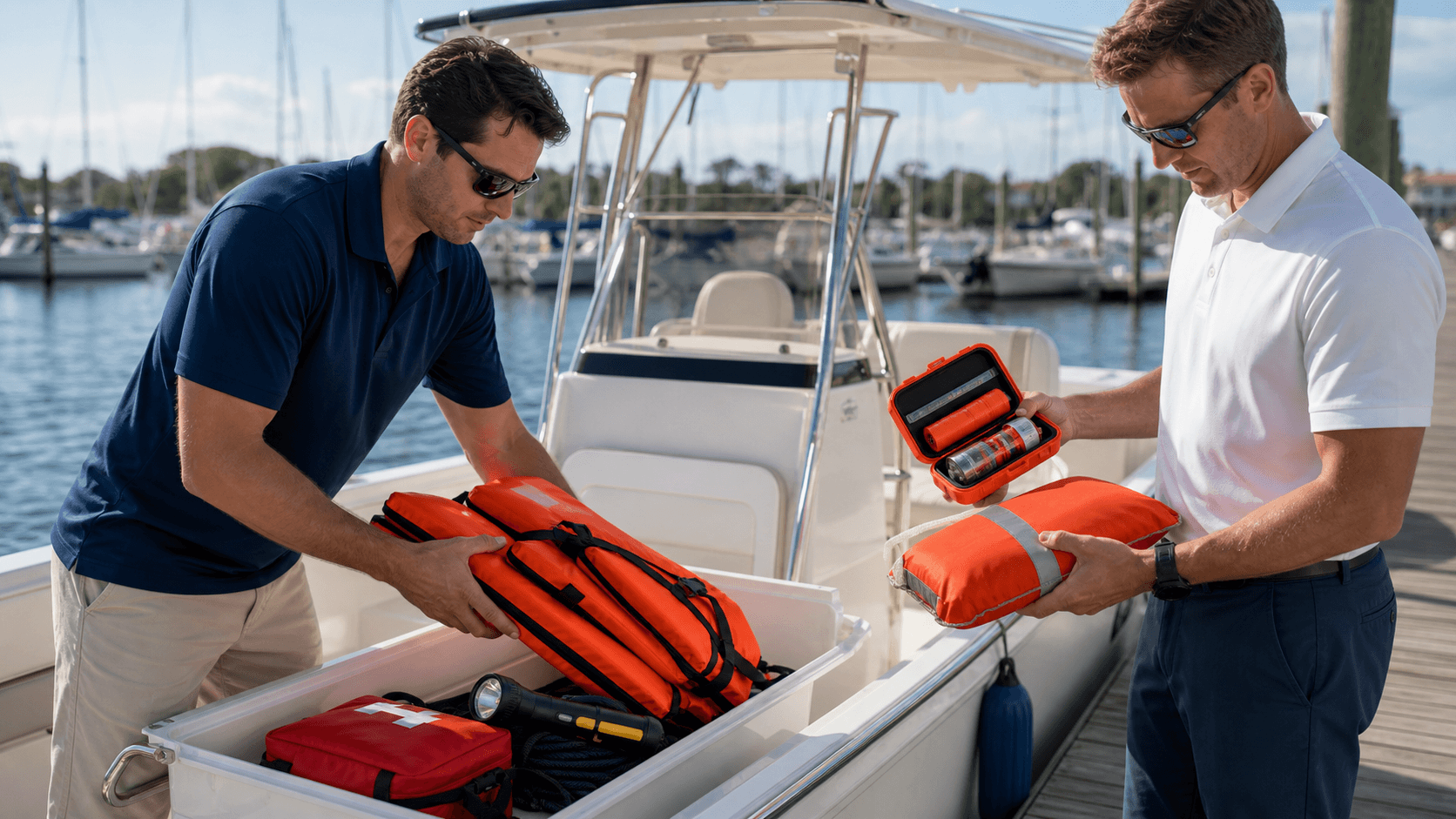
It also makes sense to carry a compact onboard-electrical kit. Simple items like spare fuses, a small multimeter, extra connectors and terminals, and a backup light can turn a ruined trip into a minor delay. Using quality marine electrical supplies for that kit means your spares will be ready when you actually need them.
Upgrade Your Electrical System Before Your Next Launch
Strong electrical systems rarely happen by accident. They come from thoughtful choices, good marine-grade parts, and regular checks as seasons change. When we invest in the right batteries, wiring, connectors, and protection, we cut down on breakdowns and help keep everyone safer and more relaxed on the water.
At MarineXGear, we focus on gear that boaters, anglers, and watersports fans can trust, from wiring and batteries to chargers, breakers, connectors, and electronics. Taking a little time before your next launch to review your setup, spot weak links like aging wiring or tired batteries, and plan smart upgrades can make your late-season trips smoother and less stressful, so electrical problems stay off your list of worries.
Get Started With Your Project Today
Whether you are upgrading a single circuit or planning a full refit, we have the reliable components you need to move from idea to installation with confidence. Explore our curated selection of marine electrical supplies and find products that match your exact specs and environment. If you need help choosing the right gear or have technical questions, simply contact us and our MarineXGear team will walk you through the options.