Stop Settling for Either Low Prices or Real Support
Buying marine electronics online can feel like rolling the dice. You might get a good deal, but will anyone help you choose the right gear, wire it the right way, or sort it out when something acts up during a foggy fall run? That fear is real, and it keeps a lot of boaters stuck with outdated or mismatched equipment.
We built our marine electronics store with that in mind. We are boaters, too, and we want the same thing you do: fair online shopping plus honest, ongoing support from people who actually understand life on the water. Here, we will talk about how to pick a solid online partner, what real support should look like before and after you buy, and how to get ready for fall haul-out or late-season upgrades so your boat is ready when the weather turns again.
Why Strong Support Matters More Than Ever
Modern gear is powerful, but it is not simple anymore. Networked MFDs, radar, AIS, CHIRP sonar, autopilots, NMEA 2000 backbones, Wi-Fi bridges; it all has to work together as one system. One wrong choice or setting can leave blind spots right when you need clear info the most.
Support matters because the stakes on the water are high, especially as days get shorter and the weather gets sketchy. In shoulder seasons, you may face:
- More fog and low visibility
- Colder water and air temps
- Sudden wind shifts and squalls
- Night approaches to unfamiliar harbors
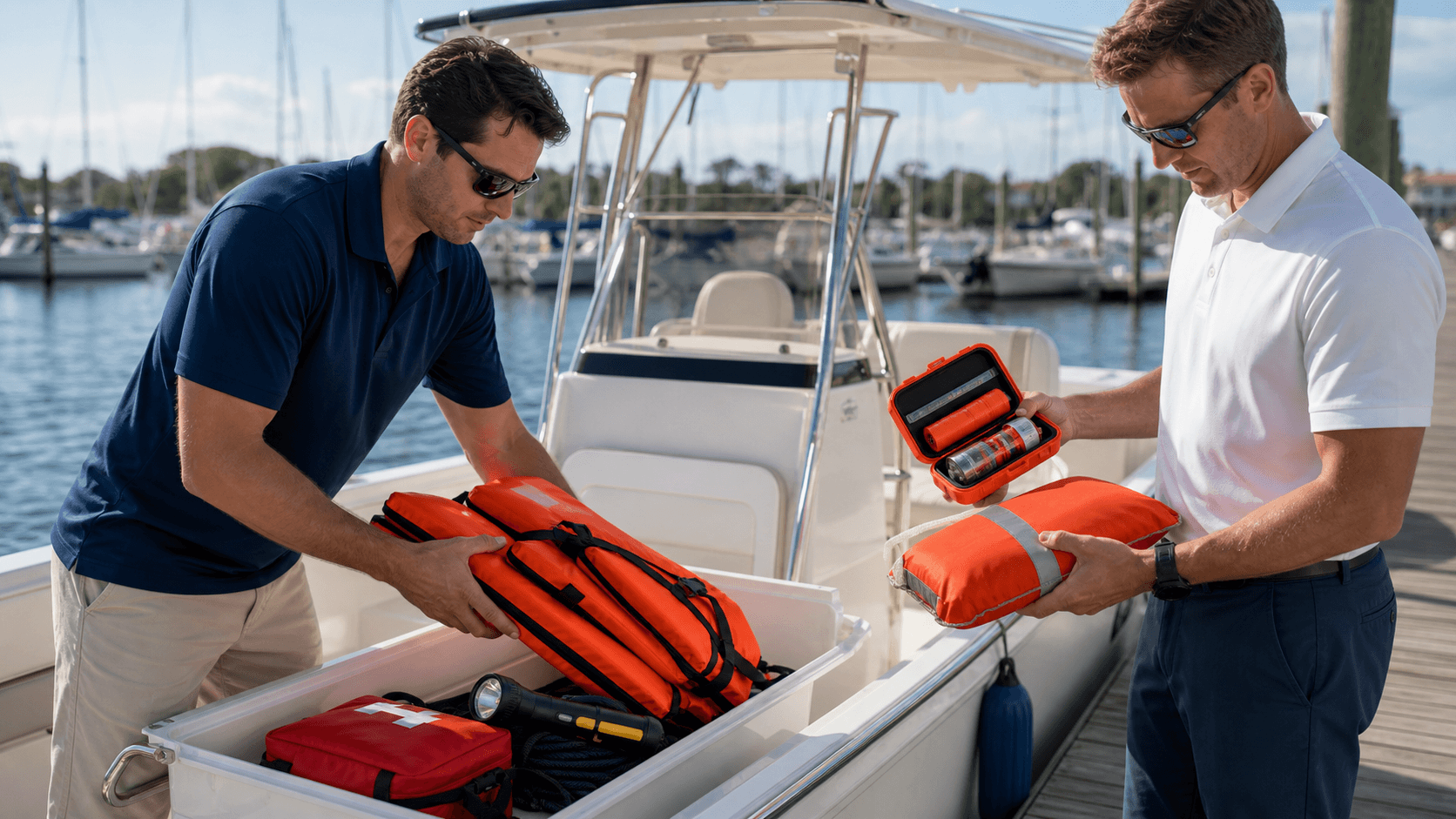
In those moments, good navigation, communication, and safety gear are not just "nice to have." They are part of your safety plan. Support is not only about fixing problems after something fails. It should include:
- Helping match the right gear to your boat and style of use
- Planning how new pieces fit into the system you already have
- Keeping software and firmware up to date
- Thinking long term so upgrades protect your investment over many seasons
The goal is simple: your electronics should feel like a trusted crew member, not a puzzle you only think about when it breaks.
How to Spot a High-Support Online Marine Electronics Store
Not every marine electronics store online is built the same way. Some are just giant catalogs. Others are geared toward real boaters and real boats. You can spot the difference if you know what to look for.
On any site you are checking, look for:
- Clear contact options, like phone, email, or chat
- Posted service hours so you know when real humans are available
- Signs you are talking to boaters, not a random call center
Next, look for signs of real product knowledge. Things like:
- Detailed product descriptions in plain language
- Comparison notes that explain who each unit is best for
- Basic installation notes or compatibility tips
- Clear mention that products are coming through proper brand channels so warranty support is available
You also want more than just endless pages of random gear. A higher-support store will usually show:
- Curated lines instead of every cheap gadget under the sun
- Focus on marine use, not general electronics shuffled into a "boating" tab
- Help for both recreational boats and working vessels
That is the model we follow at MarineXGear. We keep our selection focused on proven marine equipment; we stay responsive during pre-sales questions, and we care about how the gear will live on your boat, not just how fast it goes out the door.
Getting Personalized Help Without a Showroom
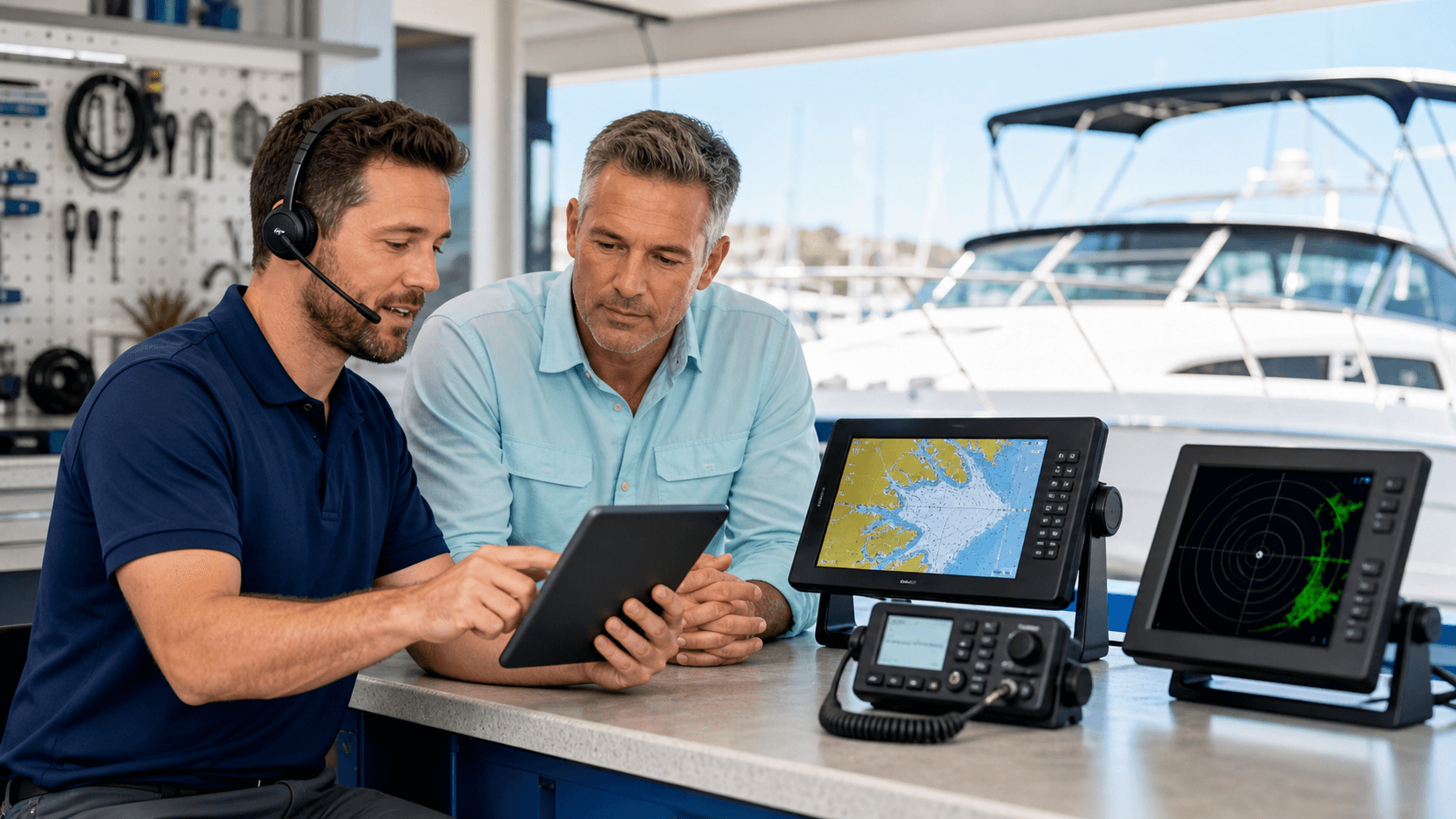
You do not need to stand at a display wall with a salesperson to get tailored advice. A good online marine electronics store can give you smart, boat-specific help if you bring the right details to the conversation.
Before you call or email, gather a few basics:
- Boat type, length, and power (sail, power, outboard, inboard)
- Existing electronics, including brands and model numbers
- How you actually use the boat, short day trips, long passages, fishing, work
- Cruising area and conditions, for example, offshore runs, coastal fog, shallow bays, night runs
With that, a support-focused shop can:
- Suggest radar and AIS ranges that make sense for your waters
- Match transducers to your hull type and fishing depth
- Check network compatibility so new gear plays nice with older units
- Sketch simple system diagrams so you know what plugs into what
We like to think in seasons, not just single purchases. For many boats, it makes sense to create an upgrade "roadmap" that spreads changes over a few haul-outs. Maybe you tackle core navigation this fall, then radar and AIS over winter projects, then audio, cameras, or extra displays next spring. That way, you limit yard time and surprise wiring changes, and your system grows in a planned, clean way.
Installation, Setup, and Troubleshooting From a Distance
Even if you use a local installer, remote support still matters a lot. A high-support marine electronics store will help you understand what is realistic for you and your yard, so you do not end up stuck halfway through a refit.
Useful remote help usually includes:
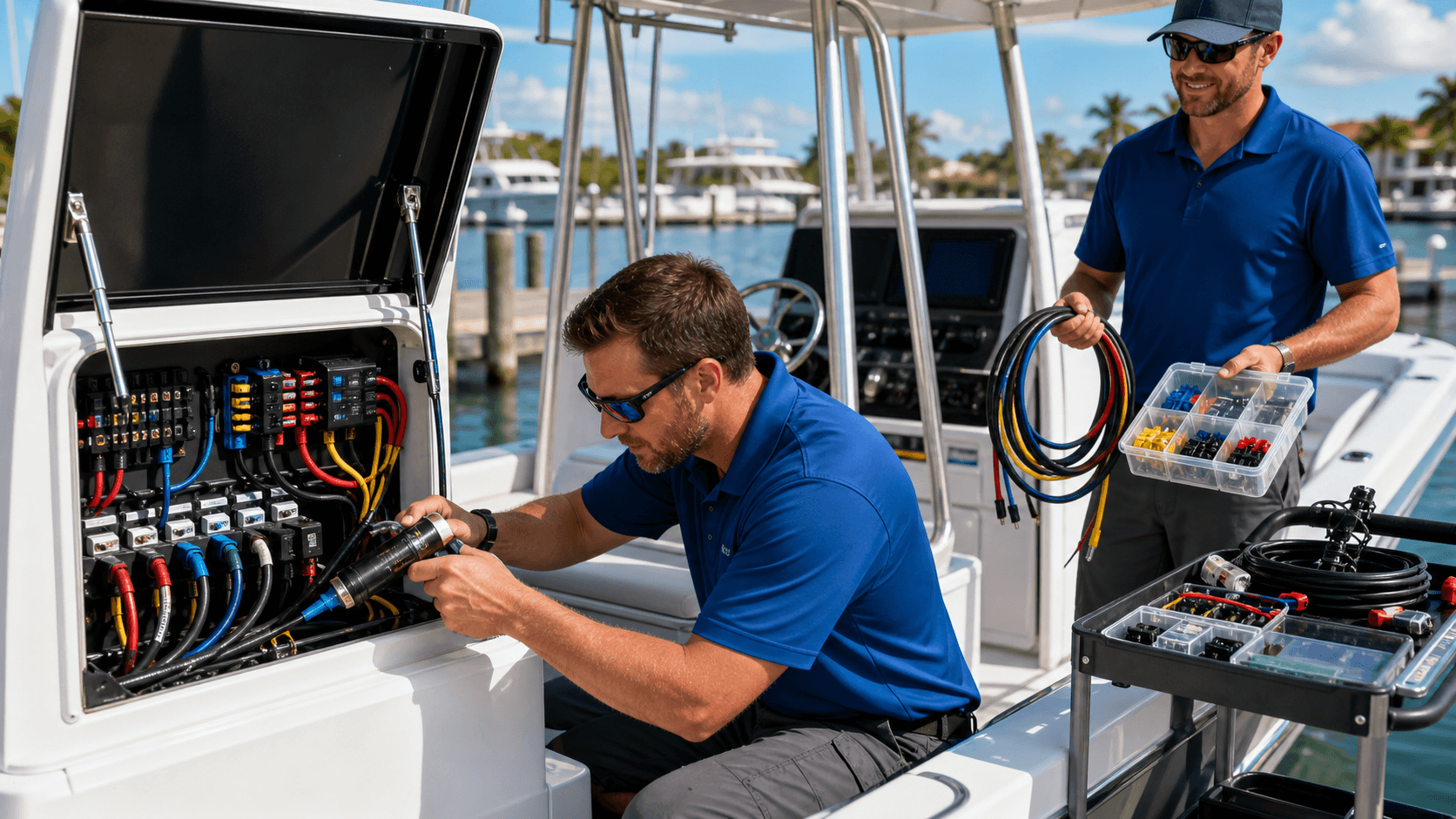
- Pre-wiring guidance and basic layout tips
- Mounting advice so screens stay visible and out of glare
- Best practices for NMEA 2000 and Ethernet runs
- Clear talk about when it is safer to bring in a local pro
Good support does not stop the day the box arrives. After the sale, you should be able to get:
- Step-by-step guidance for first-time setup
- Help finding and loading firmware and chart updates
- Tips for dialing in sonar gain, radar clutter controls, and autopilot settings
At MarineXGear, we aim to support both DIY owners and working installers. We point people to the right manuals and brand resources, and we stay available when questions pop up during fall layup tasks or spring recommissioning checks. The idea is simple: you should never feel alone with a confusing menu screen or a cable you are nervous to cut.
Smart Ways to Shop Marine Electronics Online Safely
There are a few quick checks that make online shopping for marine electronics much safer. Before you order from any site, take time to confirm:
- Clear return and exchange terms
- Straightforward warranty info, including who handles claims
- Secure checkout and recognized payment methods
- Realistic shipping timelines so your yard slot is not wasted
Be careful with offers that seem too good to be true. Common red flags include:
- Prices that are far below normal with no clear reason
- Vague or missing warranty details
- Old model numbers that look similar to current units but lack support
- Little or no product info beyond a stock photo
You can also make a simple checklist for yourself:
- Did I find recent customer feedback, not just old comments?
- Is this store clearly focused on marine electronics, not just random gadgets?
- Is there a clear way to talk to a human if something goes wrong?
- Are the brands I am considering actually supported with documentation and service?
Doing these checks takes a few minutes, but it can save a lot of headaches, especially when you are trying to finish upgrades before the marina starts pulling boats for winter.
Upgrade with Confidence for a Safer Next Season
The off-season is the perfect time to fix the weak spots you noticed on your plotter, radar, or radios. When the boat is on the hard, you can pull clean cable runs, move displays to better spots, and get everything updated so that first warm-weather trip feels calm and under control.
You do not have to choose between low online prices and the kind of help you expect from a local shop. With a service-focused marine electronics store like MarineXGear behind you, you can shop from home, plan ahead for fall and winter work, and still get real boater support before and after the sale. All it takes is sharing how you use your boat, where you run it, and what you want to feel next season: more confident, more prepared, and more at ease every time you leave the dock.
Outfit Your Boat With Reliable Tech That Performs On The Water
Explore our curated selection at our marine electronics store to find the gear that matches how and where you boat. At MarineXGear, we handpick products that balance durability, performance, and ease of use so you can focus on the water, not the wiring. If you are unsure what setup is right for you, contact us and we will help you plan the ideal system.