Extend Your Season Safely with Smart Late-Summer Swaps
Late August on the water feels different. The sun drops sooner, storms pop up faster, and there always seems to be a few more boats in the channel squeezing in those last warm weekends. That mix can turn small problems into big ones if our boat safety equipment is stuck in early-summer mode.
Safety gear is not a set-it-and-forget-it thing. Sun, salt, heat, and heavy use all wear gear down. Plus, the way we use our boats changes as the season winds down. At MarineXGear, we spend a lot of time thinking about how to keep boaters ready for that shift with electronics, safety gear, anchoring systems, and outfitting equipment that match real late-summer conditions.
In this guide, we will walk through the gear that deserves a second look right now: what to inspect, what to rotate out, and what to add so your late-summer and early fall trips stay safe, calm, and fun.
Refresh Your Core Boat Safety Equipment Before Labor Day
Late summer is the perfect time to reset the basics before the big holiday weekends.
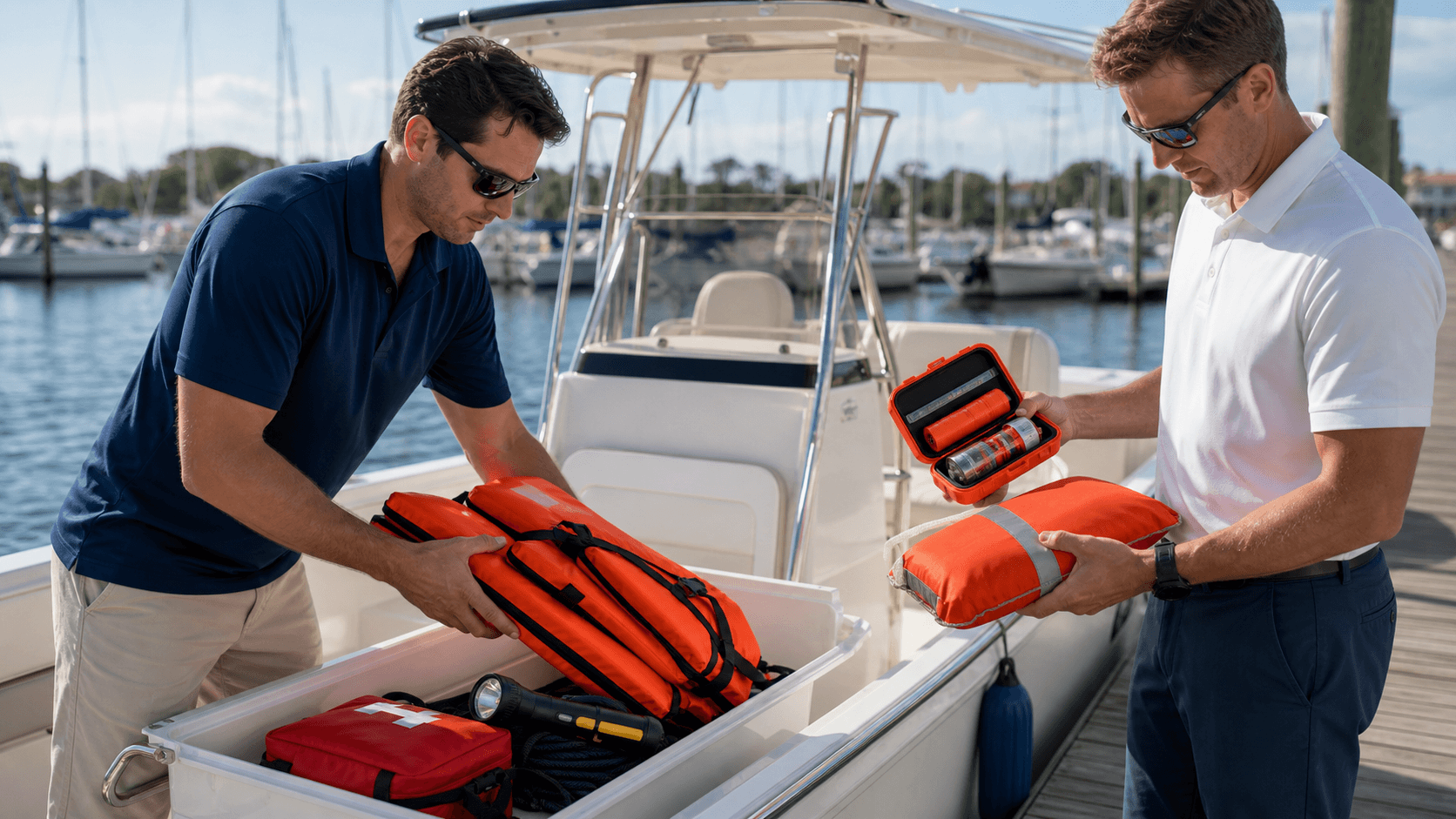
Start with life jackets and PFDs. Pull every single one out of storage, not just the nice ones on top.
- Coast Guard approval tags that are still readable
- Straps that are not frayed, stiff, or cracked
- Foam that is not lumpy, thin, or waterlogged
- Zippers and buckles that close easily
If a vest looks faded, torn, or feels heavy with trapped water, it is ready to retire. Also, check that you have the right sizes for the people who actually ride on your boat now, including kids and any guests who like watersports. For tubing, wakeboarding, or skiing, consider vests built for impact and more secure fit around the arms and chest.
Next, review fire extinguishers and signaling devices. Take each extinguisher off its bracket, check the gauge, and confirm the needle is in the safe range. Look at the service date, and if it is close to expiring, plan to swap it out. Clean any rust or salt from the brackets so they do not seize up when you really need them.
Then move on to your signaling gear:
- Flares that are in date and stored dry
- Whistles or air horns that actually work when you test them
- Day signals, such as flags or a mirror, that are easy to grab
- A bright flashlight or spotlight for the extra-long twilight
After a busy summer, first aid and emergency kits also need attention. Open the box and be honest about what is missing or used up. Heat inside a boat can break down ointments and some medications, so rotate anything that looks clumpy, discolored, or out of date.
Late-summer kits should include:
- Fresh bandages and gauze for cuts and scrapes
- Burn gel for hot deck or grill mishaps
- Motion sickness remedies for choppy afternoons
- Instant cold packs for bumps, bruises, and mild heat issues
Upgrade Electronics for Shorter Days and Busier Traffic
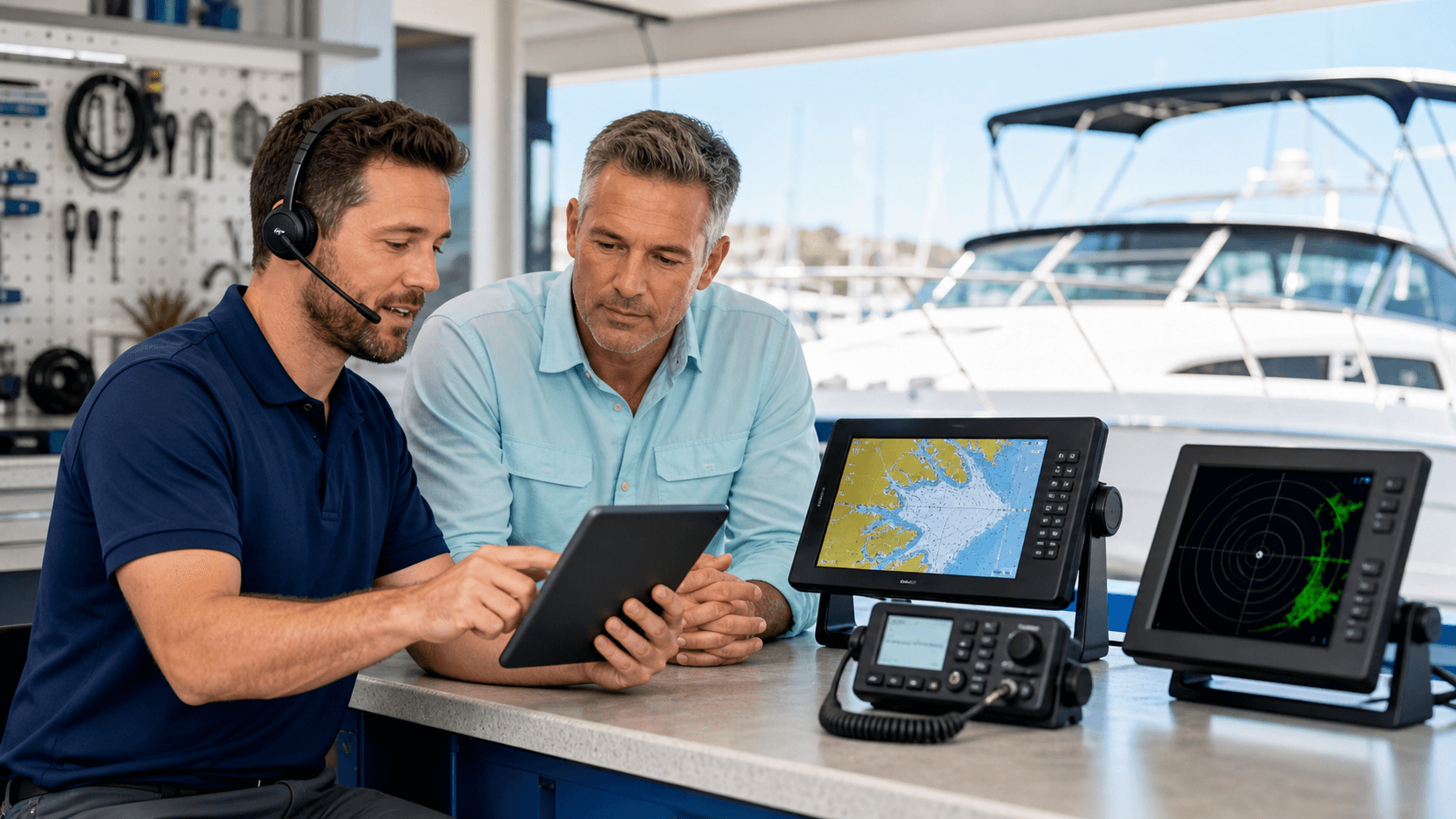
As the days get shorter, electronics move from nice-to-have to must-have. Start with navigation and visibility. Turn on your chartplotter and GPS at the dock, let them boot fully, and make sure they still lock onto satellites quickly. If updates are available, install them before your next early-morning or late-evening run.
It is smart to have a backup, not just on your phone. A small secondary GPS unit or paper charts can help if your main screen goes dark in fog or rain. Also look at your running and anchor lights from off the boat if you can. Confirm:
- Lenses are clear, not cloudy
- Colors are correct and bright
- Lights are visible from the angles your local rules require
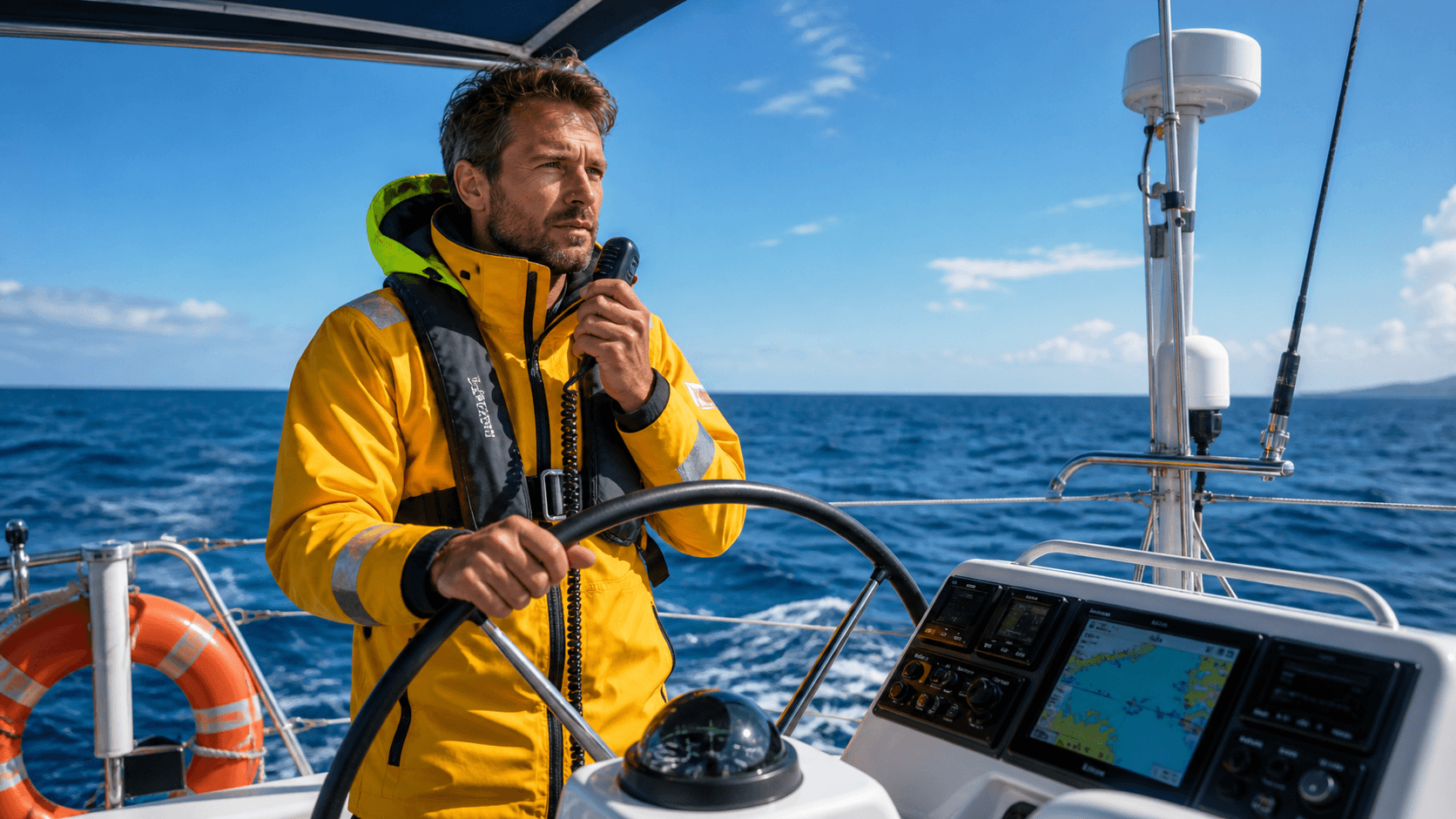
Communication tools are another late-summer priority. Test your fixed-mount VHF radio. Check the microphone cord, push-to-talk button, and connections at the back of the unit and antenna. Do a radio check in a safe, quiet moment. A handheld VHF makes a solid backup if you lose main power or need to talk from the dinghy.
If you have DSC and GPS tied into your radio, confirm your boat information is entered correctly and the GPS position is showing on the radio screen. That one detail can save precious minutes if you ever need help.
For crowded channels and shifting late-season sandbars or low water, collision-avoidance tools are worth a look. Radar, AIS receivers, and depth sounders can give you extra time to react when traffic piles up near marinas or inlets. At MarineXGear, we put together marine electronics combinations for different boat sizes and setups, so owners can build the right layer of awareness without overcomplicating their helm.
Prep for Late-Summer Weather Swings and Sudden Storms
Late summer loves surprises. A calm morning can flip to whitecaps and black clouds very quickly, especially around warm coastal areas. That is why anchoring gear and weather tools deserve a careful check.
Start at the bow. Look at your anchor type and ask if it matches your typical bottoms and winds this time of year. Then inspect:
- Anchor shank and flukes for bends or cracks
- Chain for rust, thin spots, and stiff links
- Rode for chafe, cuts, or flattened sections
If everything looks tired, consider fresh chain or line. Add a secondary anchor and rode so you have options for heavy weather or tight anchorages where dragging is not an option.
Weather monitoring is next. A dedicated marine weather receiver can keep you tuned into local changes even when cell service drops. An onboard barometer, even a simple one, helps you spot dropping pressure before the sky looks scary. For power, think about how you will keep safety gear running if your main system is off. Portable power packs or extra batteries for handheld radios, flashlights, and GPS units can buy you valuable time in a squall.
Clothing matters too. Swap out some of the early-summer tank tops and flip-flops for:
- Quick-dry base layers
- Lightweight waterproof jackets or spray tops
- Non-skid, closed-toe shoes
- A couple of thermal blankets for cool, damp evenings
Keeping a small "storm bag" ready with these items makes it easier to react when the wind shifts fast.
Optimize Onboard Organization for Fast Emergency Response
Late in the season, the way people move around your boat may change. Maybe there are more adults than kids, or more friends hanging out in the cockpit during sunset cruises. That is your hint to rethink where your boat safety equipment lives.
Move high-priority items to spots you can reach in seconds:
- PFDs and a throwable device near the main seating area
- At least one fire extinguisher close to the galley or grill
- Flares and signaling gear near the helm, in a dry box
- First-aid kit in a clear, labeled case
Label lockers and hatches with simple words or icons. Before each outing, do a short safety walk-through with your crew. Point out where things are and who would handle what in an emergency. Assign jobs like:
- Who grabs the throwable device
- Who operates the radio and calls for help
- Who works the anchor if you need to stop quickly
Good storage makes all this easier. Dry bags, gear organizers, and color-coded boxes keep safety items visible and out of the tangle of towels and toys. MarineXGear carries storage options built for wet, rough environments, which helps keep your critical gear dry and ready instead of buried and forgotten.
Plan Your End-of-Season Safety Checklist Now
Late August is the perfect turning point. Before the early fall patterns roll in, set aside time to inspect, swap, and upgrade your key boat safety equipment. Write a simple checklist and keep it on the boat so you are not guessing what you checked last.
You can group your to-do list by category: electronics, core safety gear, anchoring systems, and storage. That way, any new gear you add works well together and supports how you actually use your boat. At MarineXGear, we focus on being that one reliable place to pull the pieces together, from high-performance electronics to practical outfitting gear.
One of the best things you can do is plan a "safety day" with your regular crew. Go through every locker, test radios, practice a man-overboard drill, and rehearse how to use your anchor and signaling devices. It takes a little time, but it means you finish the season more relaxed, more confident, and ready for whatever the late-summer water throws your way.
Equip Your Boat With Proven Safety Essentials Today
Make your next outing more secure with reliable gear chosen to protect everyone on board. At MarineXGear, we've curated boat safety equipment that meets tough conditions on the water so you can focus on the experience, not the what-ifs. If you're unsure what you need for your vessel or location, contact us and we'll help you build a safety setup that fits your crew and your trips.