The Overlooked Safety Gear That Saves Offshore Trips
Offshore fishing feels amazing when the water is flat, the sky is clear, and the rods are bending. But things can change fast. Fog rolls in, a storm line builds on the horizon, or the wind kicks up and turns a fun run into a stressful ride home. That is when the boat safety equipment you almost bought, but skipped, suddenly matters most.
Many anglers spend a lot on rods, reels, and big screens at the helm. Those are fun upgrades, but the gear that protects people and keeps the boat safe often gets less attention. Here at MarineXGear, we see that gap every day. So we want to walk through the less obvious offshore safety gear that makes a real difference once you are past the inlet and into deeper water, especially in the heat and pop-up storms of mid-summer.
Beyond Basic PFDs: Smarter Personal Protection Offshore
Traditional foam life jackets are better than nothing, but offshore they can get in the way. People take them off to move, to cast, to fight a fish, and that is when trouble shows up. Upgrading to inflatable PFDs makes it much easier to keep them on all day.
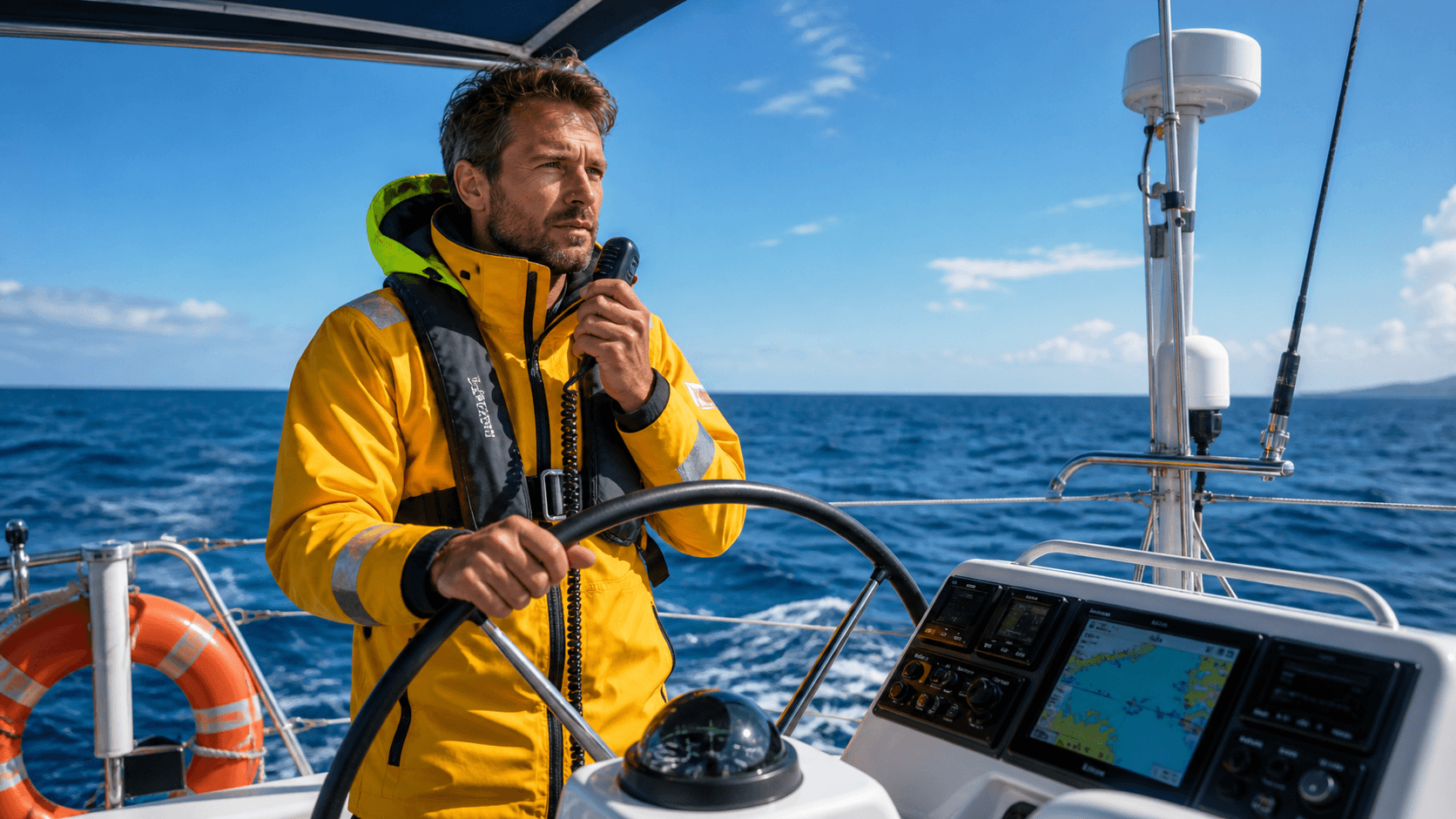
Auto-inflating PFDs with built-in safety features give offshore anglers more comfort and more freedom to move around the cockpit. They sit flat on your chest, stay out of the way of rod butts and gaffs, and are easy to wear in the heat. When they hit the water, they inflate on their own, which really helps if someone goes overboard tired or stunned.
Better personal protection offshore often includes:
- Inflatable PFDs with auto-inflate triggers
- PFDs that include D-rings for tethering to the boat
- Crotch straps so the PFD stays in place in rough water
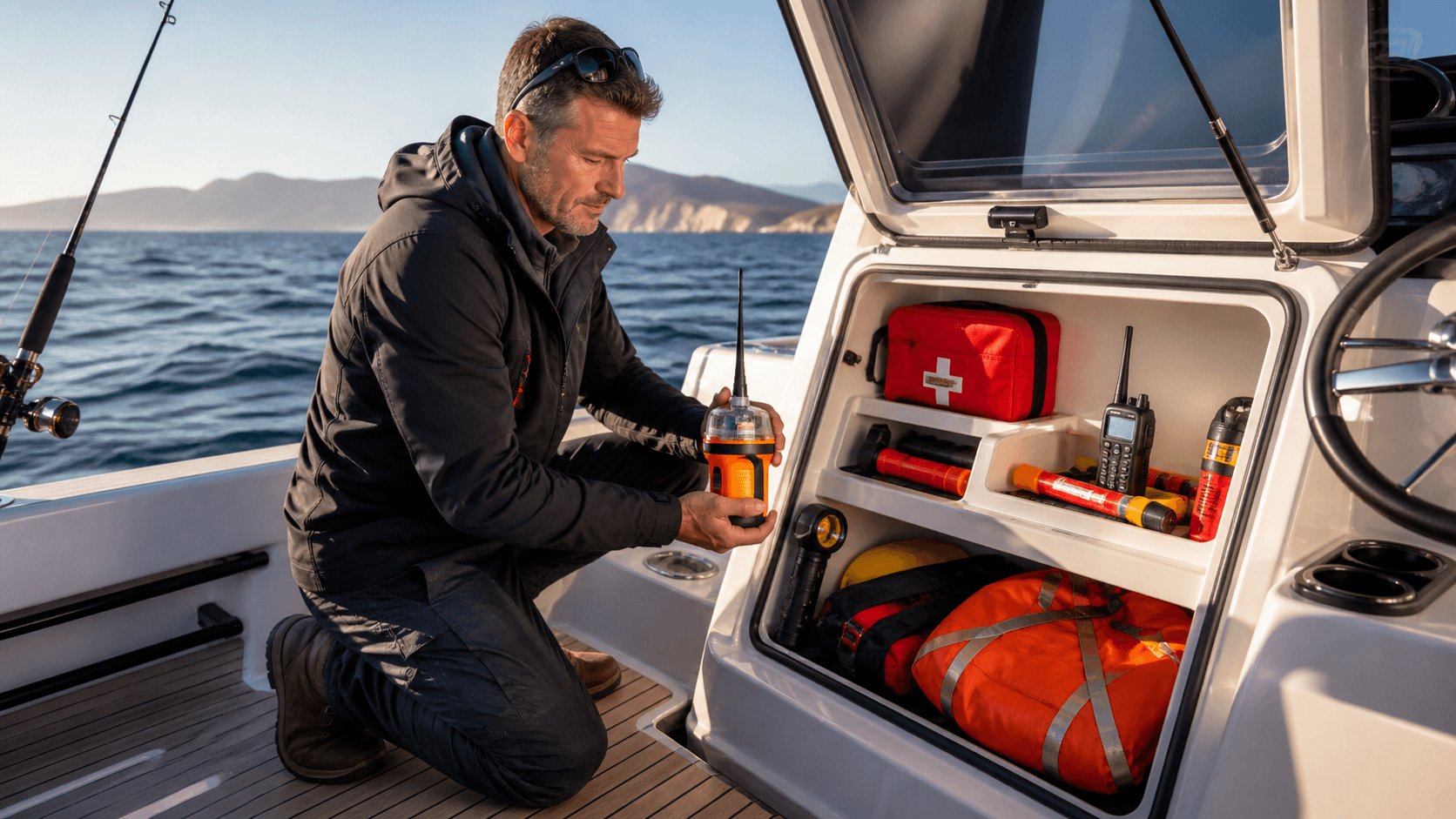
We also like pairing PFDs with personal locator beacons. A PLB clipped to the front of a PFD sends a distress signal with your GPS position to rescue services. If someone falls overboard miles offshore, that tiny device can help people find a person, not just a general area.
Small add-ons can make a huge difference too. A strobe light on the PFD helps at night or in heavy chop. A whistle helps people hear you over wind and waves. Spray hoods and dye markers can help keep water off the face and make someone easier to spot from a boat or helicopter.
Communication Backups When Your Main Radio Fails
Most offshore boats have a fixed-mount VHF at the helm, and that is a great start. But that radio depends on your boat's power system, wiring, and antenna. Lose power and that main radio goes quiet at the worst time.
That is why we always suggest a floating handheld VHF as backup. Keep it fully charged and in a place everyone on board can reach. If the batteries on the boat go down or the main radio fails, you still have a way to call for help or talk with other boats in range.
Satellite messengers and trackers are another smart layer of protection once you are beyond normal cell coverage. These compact devices let you:
- Send SOS alerts with your position
- Share basic text messages with people on land
- Track your route for peace of mind
Many offshore anglers trust their smartphone more than they should. Once you are far from shore, that signal might disappear. Having both VHF and a satellite option gives you more ways to reach help.
Do not forget about power management either. Good communication gear is only useful if it turns on. Items that help keep things working include:
- Spare batteries for handheld VHFs and PLBs
- A small, dedicated battery bank for radios
- Waterproof charging cables and power packs
Finding You Fast: AIS, Radar Reflectors, and Lighting
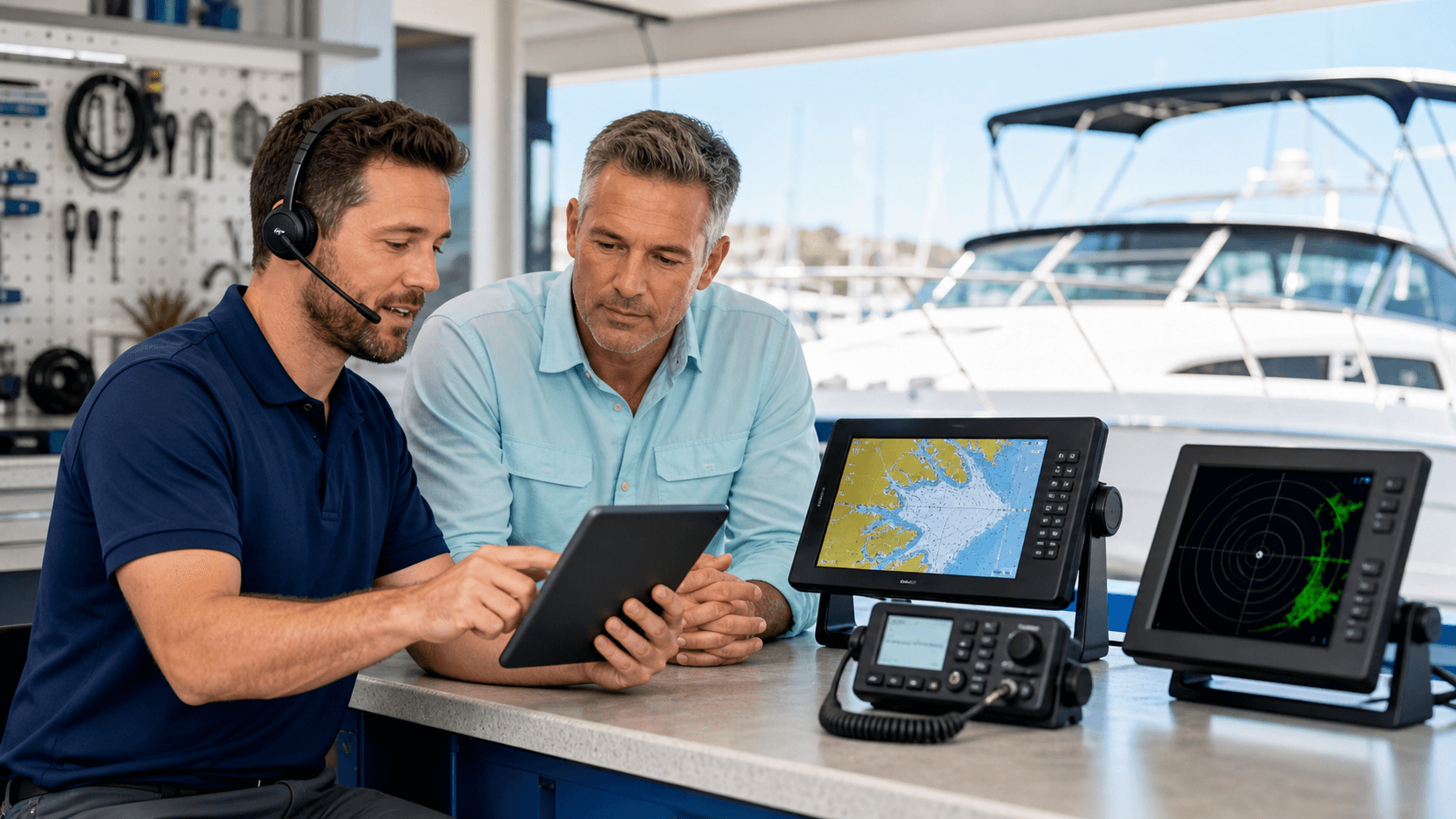
Out past the coastline, you want other boats to see you quickly and clearly. Automatic Identification System gear helps with that. An AIS transponder broadcasts your boat's position, speed, and course so nearby vessels with AIS can see you on their screens. Some units also receive signals from other vessels, so you can spot large ships that might not see a smaller fishing boat.
Passive visibility gear still matters a lot. A simple radar reflector can help larger vessels pick you up on their radar, especially in fog or heavy rain. A high-visibility flag or panel can make your boat stand out in a busy offshore fleet, or when low light flattens everything on the water.
Lighting is another area where many offshore anglers stay bare minimum. For safer night fishing or late runs back to the dock, think about:
- Bright, reliable anchor and navigation lights
- LED spreader or deck lights for working in the cockpit
- Deck-level strobes or lights that help mark the boat in rough seas
Good lighting makes it easier to see a person in the water, move around the boat safely, and avoid close calls with other vessels.
Damage Control Gear You Never Think You Need
Hull damage feels like something that happens to other people, until your boat hits floating debris or a loose cooler slams into a fitting. Emergency leak and hull repair kits are simple insurance. They can include soft wood or rubber plugs for leaking fittings, collision mats that you can lash over a gouge, and quick-setting epoxy for cracks.
For the engine, a stranded boat offshore is more than just a bad day. It can become a safety risk if weather or currents pick up. We suggest having:
- Spare fuel filters and a way to change them
- Extra belts and basic hand tools
- Key cooling system parts that commonly fail
Fire and flooding readiness rounds out a smart setup. Many boats technically meet fire extinguisher rules but still are not set up well. We like seeing more than one extinguisher, mounted where people can grab them fast. Extra bilge pumps or a portable pump can buy precious time if you start taking on water. Absorbent pads help manage fuel or oil leaks and keep things cleaner and safer in the bilge.
Smarter Safety Storage, Checklists, and Pre-Trip Habits
Having solid boat safety equipment is one thing. Being able to find it with wet hands while the boat is bouncing is another. That is why storage and habits matter as much as the gear itself.
We suggest setting up clear safety stations on the boat:
- One area for PFDs and PLBs
- One dry, labeled box for first aid and meds
- One bin for tools, plugs, tape, and repair items
- One secure, dry space for radios and satellite devices
Before each summer offshore run, a short checklist can help catch small problems before they become big ones. That list might cover:
- Checking weather and sea state for the day and the route
- Testing the fixed VHF and handheld radio
- Confirming PLBs are registered and have good batteries
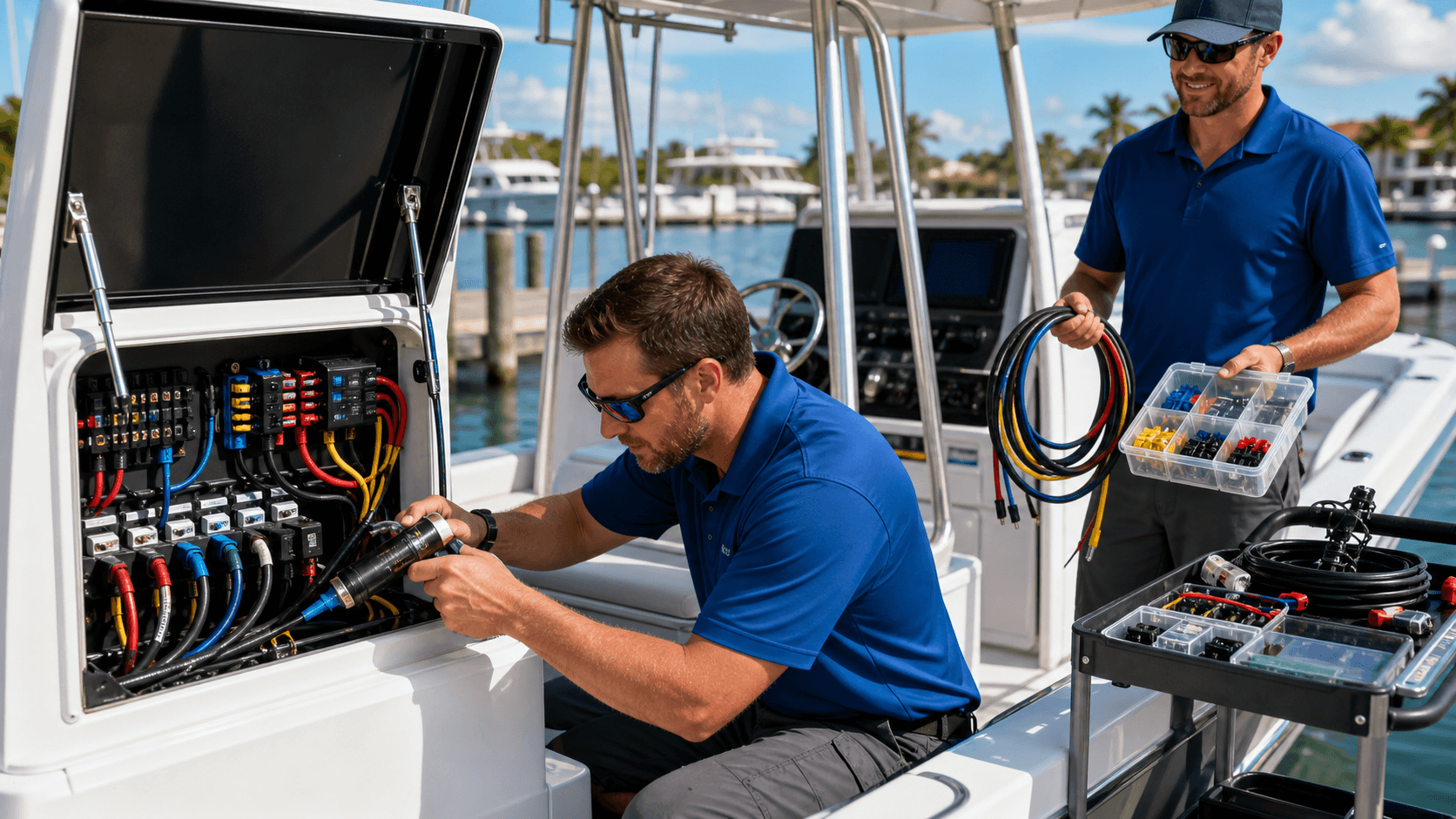
- Checking bilge pumps, float switches, and spare fuses
Last, talk with your crew. A quick safety chat before you leave the dock can cover where life jackets are, how to use the radio, which button is the SOS button on a satellite device, and what to do if someone falls overboard or spots smoke. Running a simple man-overboard drill and a short fire drill a few times each season keeps everyone sharper.
When we put all this together, offshore fishing stays fun more often, even when the weather or gear throws us a curveball. At MarineXGear, we are focused on helping boaters match their boat safety equipment to the kind of trips they actually run, from nearshore reefs to long runs offshore in the middle of summer.
Equip Your Boat With Proven Safety Essentials Today
Choose MarineXGear for reliable boat safety equipment that helps protect everyone on the water. We carefully select gear that meets high performance and safety standards, so you can focus on enjoying every trip. If you have questions about what you need for your vessel or situation, contact us and we will help you build the right safety setup.